Conservation
Access agreements are how most private land gets walked
A great deal of walking happens on permissive routes that could be withdrawn tomorrow, and mostly is not.
Who is protecting these landscapes, how it is funded and whether it is working.
25 articles · updated August 11, 2026 · page 2 of 3
Conservation
A great deal of walking happens on permissive routes that could be withdrawn tomorrow, and mostly is not.
Conservation
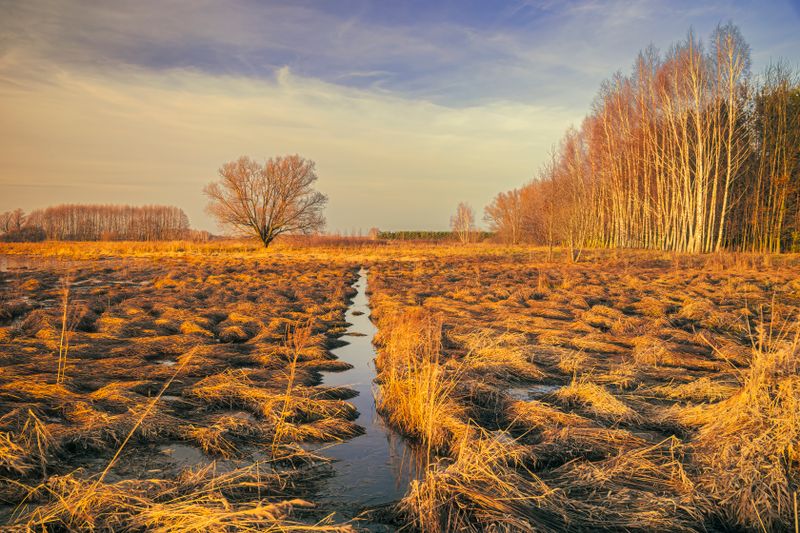
Ditch blocking is the least photogenic and most effective intervention in upland restoration.
Conservation
Designation without management is common, and the term protected does a great deal of unearned work.
Conservation
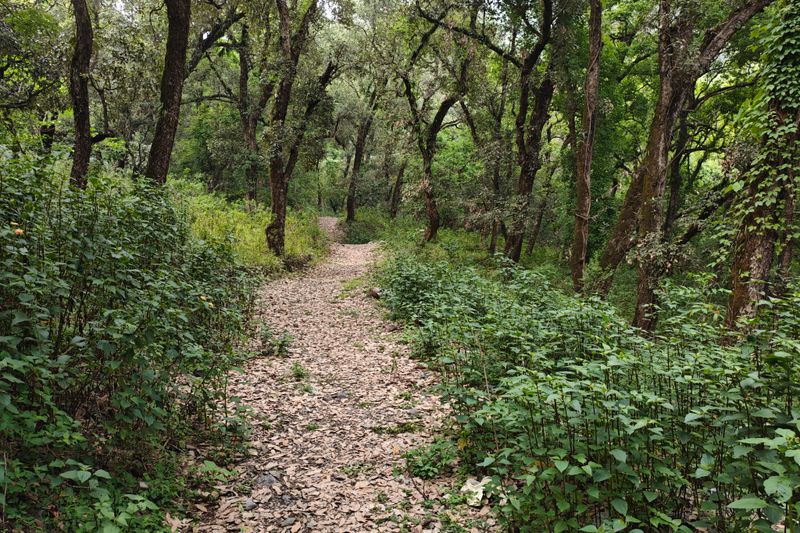
Some historic routes carry vehicular rights, and the conflict between use and erosion is genuinely difficult.
Conservation
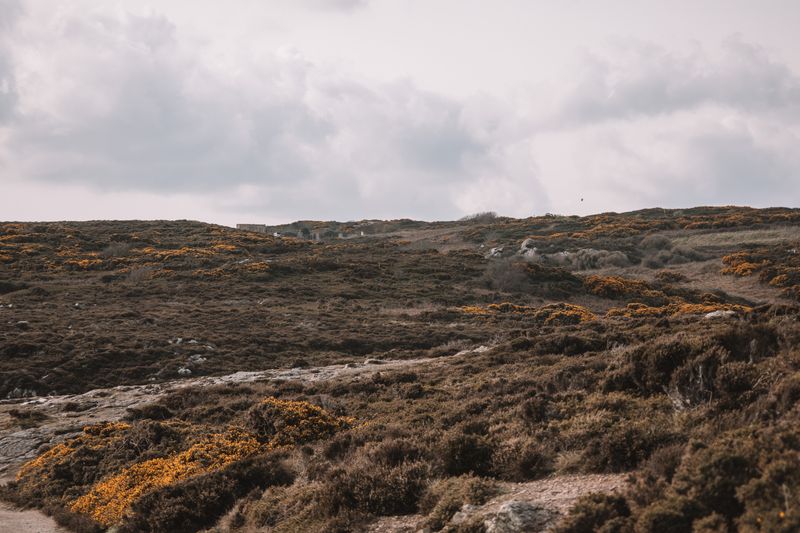
Undermanagement produces a predictable set of dominant species, and reversing it is harder than preventing it.
Conservation
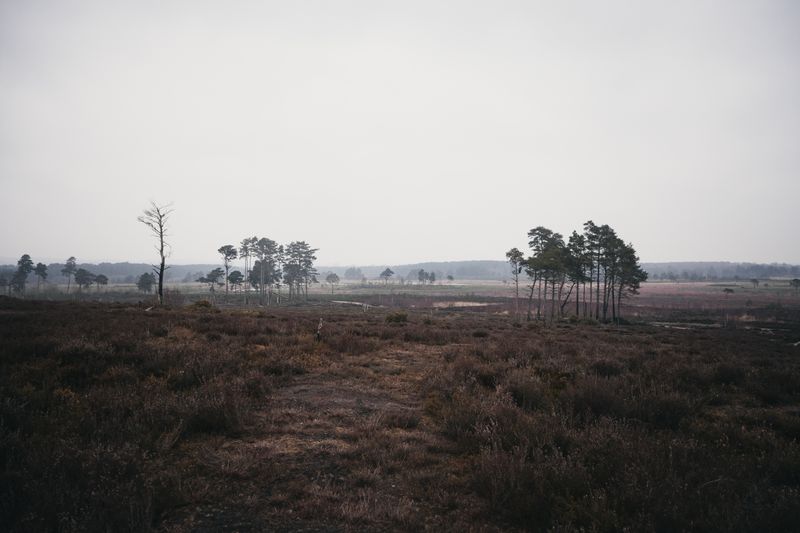
Many of the habitats we now protect exist because something ate them. The argument is about which animal, how many, and when.
Conservation
The idea is simple: damage habitat here, create or improve habitat there. Almost every difficulty lives inside the words create and…
Conservation
Getting saplings into the ground is a photograph. What happens over the following twenty years is the actual project.
Conservation
A line of posts and wire is the cheapest and bluntest conservation tool there is. It works exactly as well as its side effects…
Conservation
A river can be clean, undammed and still failing, because too much water is being taken out of it upstream and out of the ground…
Conservation
A species can have space, food and protection and still decline, because the arithmetic of a small isolated population works…
Conservation
Most projects report activity: hectares managed, trees planted, fences built. Whether the thing they cared about improved is a much…