Slow Travel
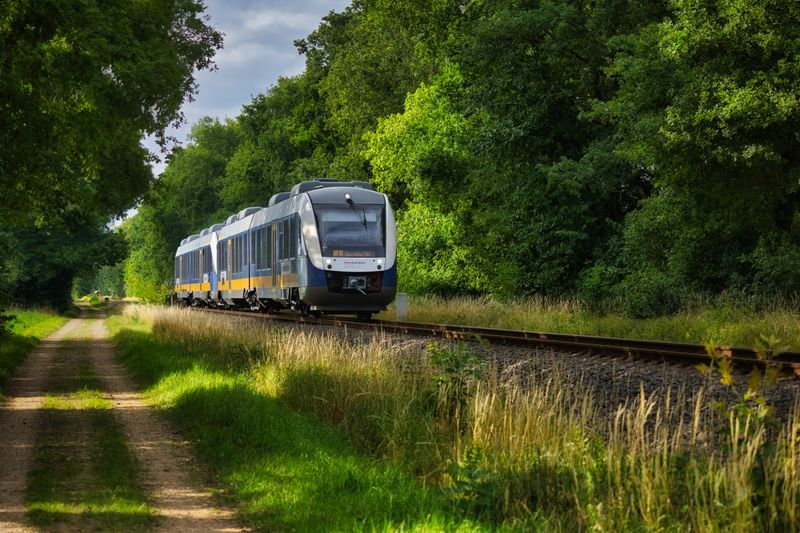
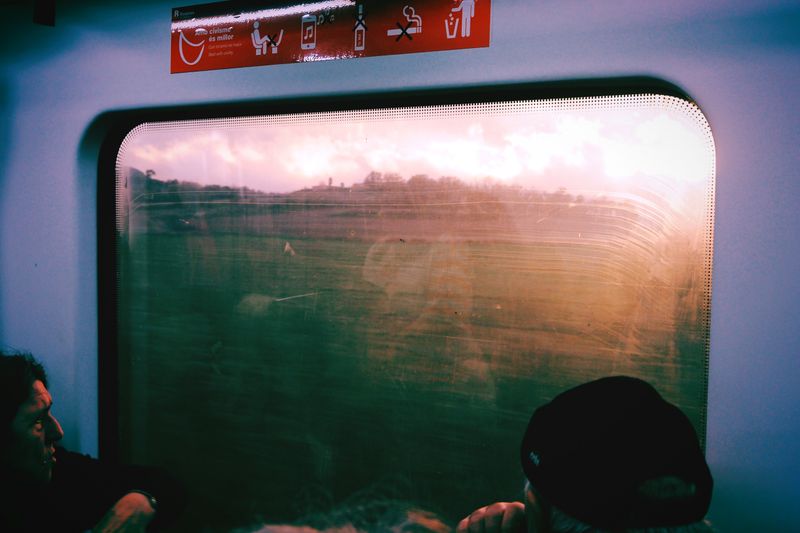
Night trains are back, and the economics are still difficult
Sleeper services are expanding across Europe for the first time in decades. The operating maths that killed them has not gone away.
Trains, ferries, long approaches and the argument for taking longer.
25 articles · updated August 11, 2026 · page 1 of 3
Slow Travel
Walking or cycling the last stretch to a place is not just slower. It changes what registers as remarkable when you get there.
Slow Travel
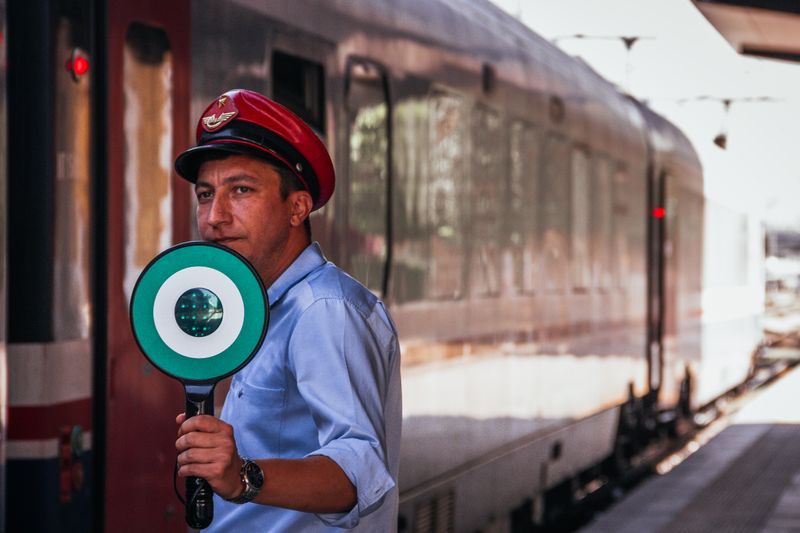
Sleeper services are expanding across Europe for the first time in decades. The operating maths that killed them has not gone away.
Slow Travel
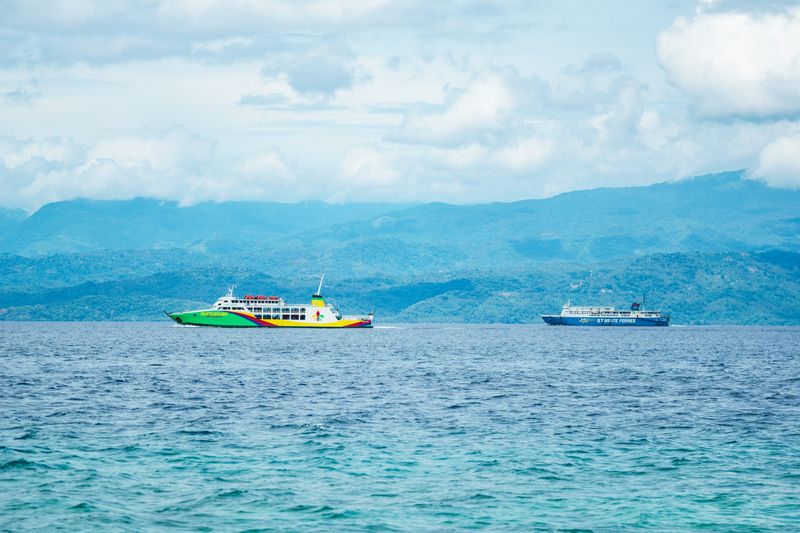
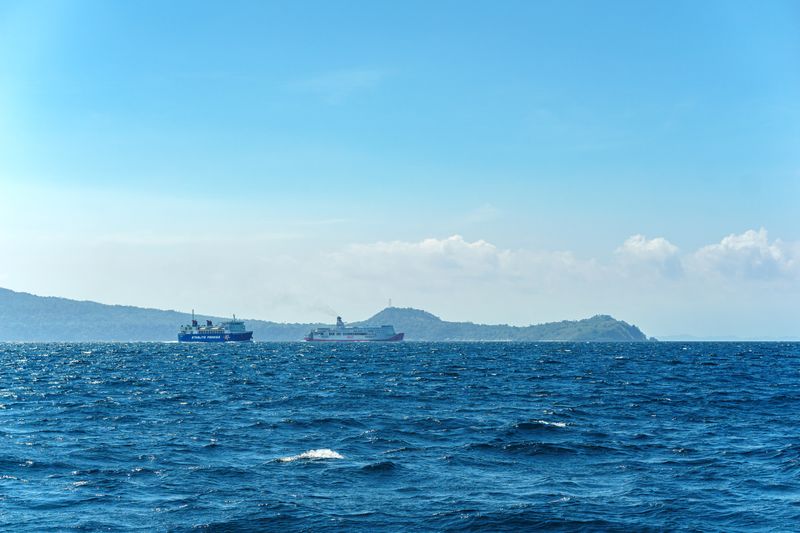
Ferries survive as transport where they cannot be replaced. That makes them one of the last forms of travel that still has a shape.
Slow Travel
A mountain shelter works because everyone who uses it behaves in a particular way. The conventions are consistent and almost never…
Slow Travel
Riding sits between walking and driving in a way that suits some landscapes precisely and ruins others.
Slow Travel
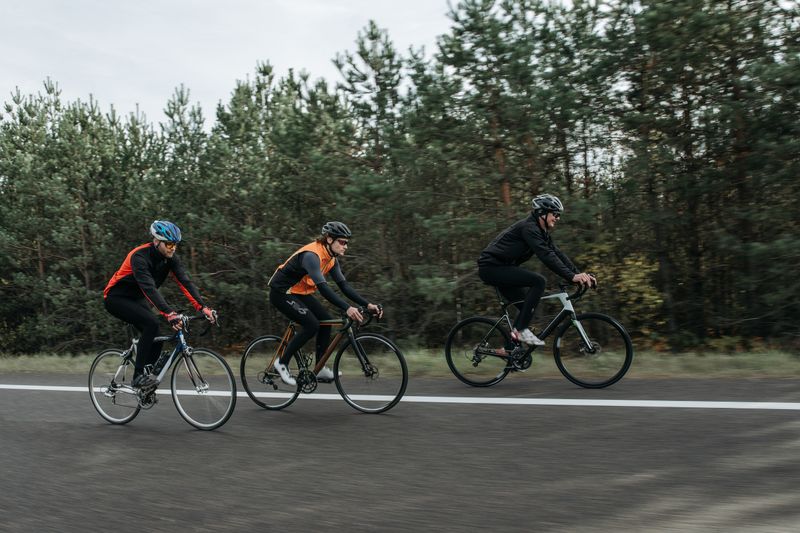
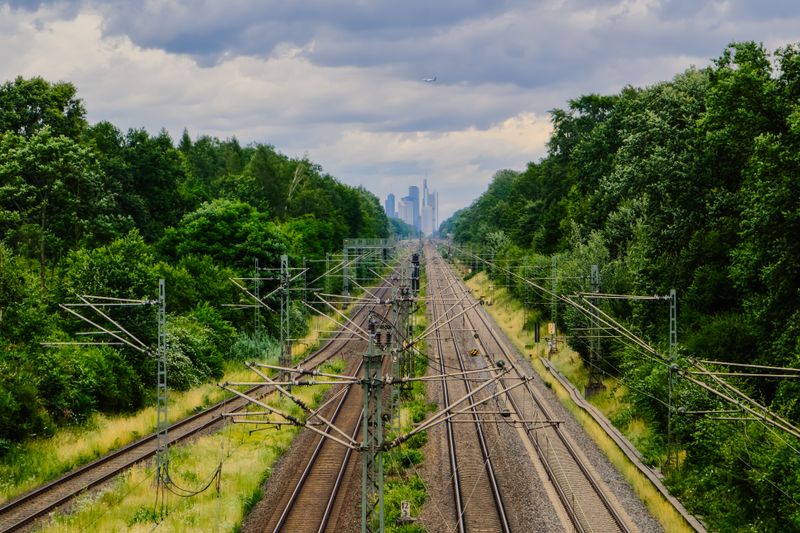
Combining rail and bicycle unlocks enormous range, and the rules differ by country, by operator and by service.
Slow Travel
Baggage transfer services have made long routes accessible to people who cannot carry a full pack, and the trade-offs are worth…
Slow Travel
Alpine hut systems let you cross serious terrain with a light pack, on somebody else's timetable.
Slow Travel
The reaction to sudden cold immersion is involuntary and fast, and it is what drowns people rather than hypothermia.
Slow Travel
Bivvying removes weight and adds exposure. Where it works, it is the best sleep available; where it does not, it is a long night.
Slow Travel
Multi-week routes are completed by people who planned recovery, not by people who planned mileage.
Slow Travel
Linear routes become possible without a car, and the planning is a different skill from route planning.