Slow Travel
The case for the slow approach: arriving on foot changes what you see
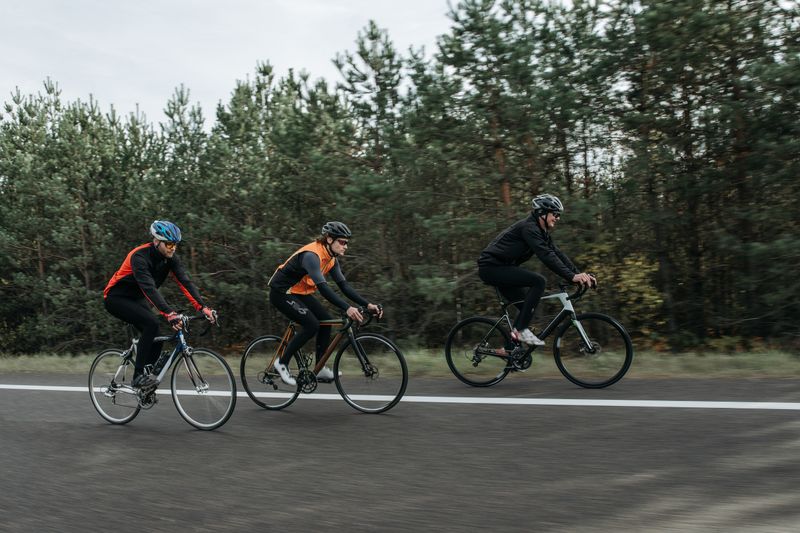
Walking or cycling the last stretch to a place is not just slower. It changes what registers as remarkable when you get there.
Everything here earned its place by changing an outcome. Nothing about arriving under your own power is included to round the number up.
What matters most
- Gradual approach gives you a gradient of context that a transfer erases.
- The last ten kilometres carry disproportionate weight in what you remember.
- Slow arrival is often no slower door to door than it looks on a timetable.
Arrival by transfer deletes the gradient
Landing at an airport and being driven to a town removes every intermediate stage between where you were and where you are. The result is that the destination arrives fully formed and slightly unreal, with nothing to measure it against. Walking or riding the last stretch reinstates that gradient, and the place lands as the end of a sequence rather than a jump cut.
The effect runs in reverse as well: leaving slowly gives a place an ending, whereas a taxi to an airport at five in the morning tends to delete the last day of a trip altogether.
You notice change at the speed you are moving
At walking pace, the shift from agricultural land to suburb to town centre is legible as a series of decisions about how land is used. At driving speed, that shift compresses into scenery, and at flying speed it disappears entirely.
This is not romanticism about walking; it is a straightforward consequence of how much detail you can resolve per kilometre. The markers that actually separate one region from the next — roofing material, the point where hedges give way to drystone walls, what the field gates are made of — are legible at walking pace and register not at all at seventy.
The last ten kilometres do most of the work
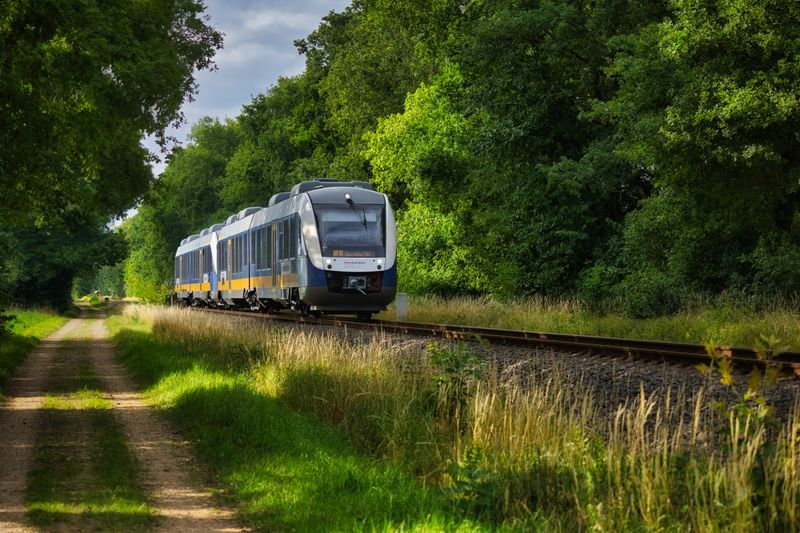
You do not have to walk the whole route for the effect to appear — approaching a town on foot from the previous village produces most of it. Ferries, regional trains and rural buses achieve something similar, because they stop in places nobody would choose as a destination.
Over a season, the common ingredient is being exposed to the ordinary, unremarkable land between the places that appear on a map of somewhere worth visiting. Arranging it is usually trivial and almost never offered: getting off the train one stop early, or taking the local bus to the village before the one you booked, is the whole of the technique.
The time cost is smaller than it looks
Short-haul flying looks fast on a timetable and is rarely fast door to door once transfers, security and the journey to a peripheral airport are counted. Overnight trains and ferries convert travel time into sleeping time, which changes the arithmetic further. The honest comparison is not flight time against train time; it is the whole day against the whole day.
Locally, the exposure is different rather than absent: a single through-ticket generally obliges the operator to re-route you after a missed connection, while the same journey bought as separate cheap legs leaves you buying a new ticket, and that distinction matters more than the price gap between them.
What it costs instead
Slow travel costs flexibility. Routes are less frequent, connections are less forgiving, and cancellations have fewer alternatives. It often costs money too, particularly on rail networks where advance fares are the only affordable ones. These are real trade-offs and pretending otherwise is how slow travel writing loses people who have to be back at work on Monday.
The largest hidden cost is annual leave, which is why slow travel is far easier to advocate than to practise and why it skews heavily towards people with long holidays, flexible work or none of the usual constraints.
Where it works best
Regions with dense rail or ferry networks reward it most, because the infrastructure removes most of the friction. Coastlines, river valleys and any landscape organised along a line are naturally suited to a slow approach. The places where it works least are exactly the places designed around a car park, which is itself worth noticing.
Where the network is thin, a bicycle carried on the train closes the gap between the last station and the place you actually wanted to reach, and that combination extends slow travel into regions no timetable serves on its own.
Everything above, in order of what to do first
- Arrival by transfer deletes the gradient. Landing at an airport and being driven to a town removes every intermediate stage between where you were and where you are.
- You notice change at the speed you are moving. At walking pace, the shift from agricultural land to suburb to town centre is legible as a series of decisions about how land is used.
- The last ten kilometres do most of the work. You do not have to walk the whole route for the effect to appear — approaching a town on foot from the previous village produces most of it.
- The time cost is smaller than it looks. Short-haul flying looks fast on a timetable and is rarely fast door to door once transfers, security and the journey to a peripheral airport are counted.
- What it costs instead. Slow travel costs flexibility. Routes are less frequent, connections are less forgiving, and cancellations have fewer alternatives.
- Where it works best. Regions with dense rail or ferry networks reward it most, because the infrastructure removes most of the friction.
The takeaway
You do not have to travel slowly for a whole trip. Arriving slowly is most of the benefit.
What holds up over a week outdoors is rarely what looks best at the trailhead.
Questions readers ask
Is slow travel always lower-carbon?
Usually, but not automatically. A single-occupancy car journey can be worse than a full regional flight, and ferries vary enormously. Rail is reliably the lowest of the common options over land.
How do I plan a route without a direct connection?
Work backwards from the last leg. Fix the arrival you actually want — the ferry, the branch line, the walk in — and build the rest of the journey to meet it.