Conservation
Rewetting: why conservationists keep blocking drains
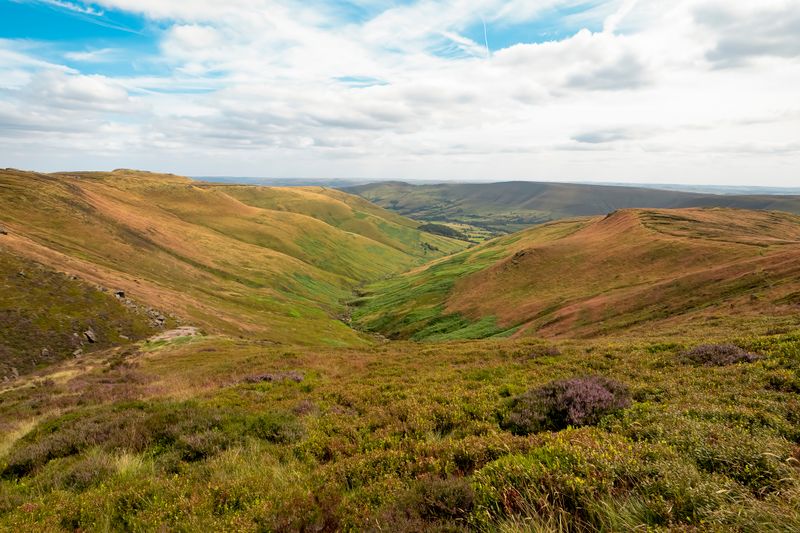
Ditch blocking is the least photogenic and most effective intervention in upland restoration.
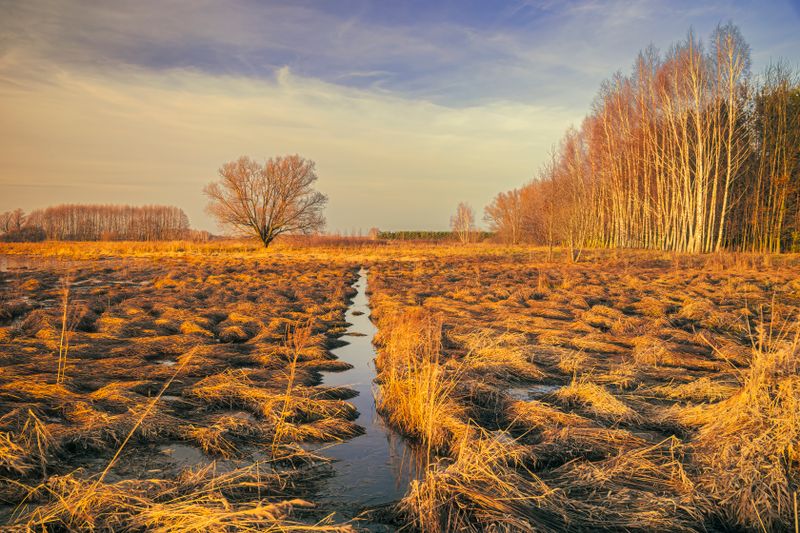
These are listed in the order worth acting on, which with peatland rewetting is not the order they are usually presented in.
What matters most
- Raising the water table is what stops peat oxidising.
- Ditch blocking uses peat dams, plastic piling or timber.
- Sphagnum returns only once the water table is close to the surface.
The mechanism is simple
Drained peat is exposed to oxygen, which allows decomposition and releases carbon that has been stored for millennia. Raising the water table back toward the surface stops that process.
Everything else in peatland restoration follows from getting the water level right. The target is specific rather than vague, since peat only forms where the water table sits within a few centimetres of the surface for most of the year, and that is measured with dipwells rather than judged by how wet the ground feels underfoot.
How ditches get blocked
Dams of peat, plastic piling or timber are installed at intervals along historic grips and gullies. Spacing is calculated from gradient so that each pool backs up to the base of the one above. On steep gullies, stone or timber structures are used because peat dams wash out.
In practice, getting the machinery there is half the job, because a tracked excavator on deep peat needs low ground pressure and bog mats, and the work is timed for frozen or dry conditions precisely so the access does not create the next problem.
Bare peat has to be covered
Exposed peat erodes rapidly and will not revegetate on its own in many conditions. Brash, geotextile, nurse grasses and lime are used to stabilise the surface long enough for vegetation to establish. This is the visually dramatic part and is a means rather than an end.
Bare peat resists revegetation because it heaves as it freezes and thaws, lifting seedlings clean out of the ground, and it dries to a crust that sheds rain rather than taking it in, which is why a physical cover has to come first.
Sphagnum is the target
Active peat formation requires sphagnum, which requires a water table close to the surface. Reintroduction by plug planting or spreading is now common where the source populations are gone.
Over a season, success is measured in sphagnum cover and water table depth rather than in appearance. Sphagnum is not one plant either but a set of species occupying different positions — hummock, lawn and pool — so a restored bog is aiming for a mix rather than a carpet, and reintroduction material is chosen with that in mind.
The results take decades
Water table response can be quick; vegetation change takes years and peat accumulation takes very much longer. Monitoring therefore runs on timescales longer than most funding cycles, which is a chronic problem. Carbon finance is increasingly used to bridge that gap, with the additionality questions that attach to it.
Worth knowing before you go — one benefit does arrive quickly, because drained and eroding peat colours the water leaving a catchment and that colour is expensive for a water company to strip out, which is why utilities have become significant funders of upland rewetting.
The exception is usually weather, which overrides most planning.
Some of it means felling a forest
Large areas of deep peat were ploughed and planted with conifers in the second half of the twentieth century, and the drainage that made those trees possible is the same drainage that dried the peat beneath them. Restoring those sites means felling the crop, dealing with the brash and reprofiling the plough furrows so water spreads instead of running off, which looks like destruction to anyone passing and is the opposite of it.
Worth knowing before you go — the carbon arithmetic is genuinely contested at the margins, because a standing plantation holds carbon in its timber while the peat underneath oxidises, and the balance turns on peat depth, tree yield and what the harvested wood is used for. For walkers the visible consequence is that restored ground gets much wetter, so a forest track that used to be a dry line through a plantation may need boardwalk, a new alignment, or abandoning altogether.
Everything above, in order of what to do first
- The mechanism is simple. Drained peat is exposed to oxygen, which allows decomposition and releases carbon that has been stored for millennia.
- How ditches get blocked. Dams of peat, plastic piling or timber are installed at intervals along historic grips and gullies.
- Bare peat has to be covered. Exposed peat erodes rapidly and will not revegetate on its own in many conditions.
- Sphagnum is the target. Active peat formation requires sphagnum, which requires a water table close to the surface.
- The results take decades. Water table response can be quick; vegetation change takes years and peat accumulation takes very much longer.
- Some of it means felling a forest. Large areas of deep peat were ploughed and planted with conifers in the second half of the twentieth century, and the drainage that made those trees possible is the same drainage that dried the peat beneath them.
The takeaway
Get the water table right and everything else in a bog follows.
Go slowly enough to notice, and most of this stops being advice and starts being obvious.
Questions readers ask
Does rewetting reduce flooding?
It slows runoff from the catchment and helps with smaller flood peaks. It is one contribution within natural flood management rather than a solution alone.
Why are there plastic dams on a nature reserve?
Plastic piling is durable, effective and does not wash out. It is a functional choice rather than an aesthetic one.