Conservation
Grazing animals are a conservation tool and a conservation problem
Many of the habitats we now protect exist because something ate them. The argument is about which animal, how many, and when.
This is less a set of instructions about conservation grazing than an argument, and it is worth saying so at the start.
The argument in brief
- Different species graze differently: cattle tear, sheep bite close, ponies and goats take coarse material.
- Timing and stocking density change the outcome more than the choice of animal does.
- Undergrazing and overgrazing both simplify a habitat, in opposite directions.
Why anyone grazes a nature reserve deliberately
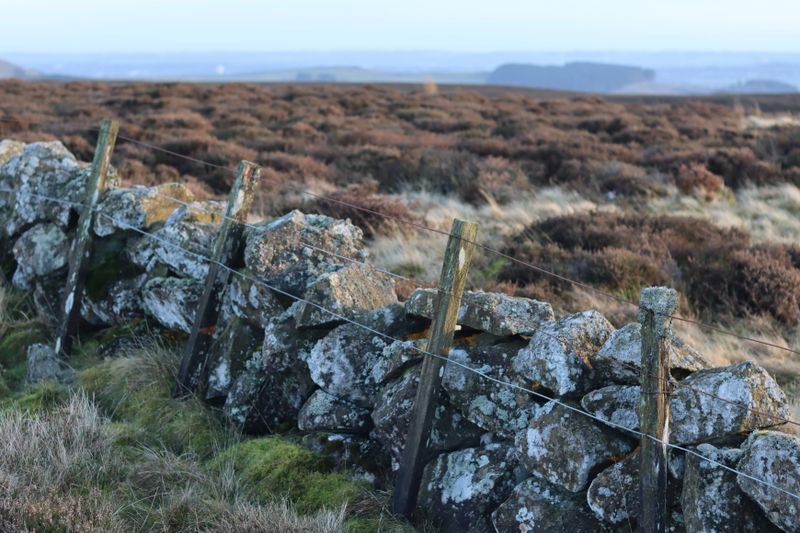
Many of the habitats now valued most highly in Europe were created by centuries of livestock keeping, and they persist only while something continues to remove growth. Left alone, most temperate grassland moves through scrub toward woodland, and the specialised plants and invertebrates of open ground are lost along the way. Mowing achieves some of the same removal, but it cuts everything to one height on one day and leaves no bare ground, no dung and no structural variety.
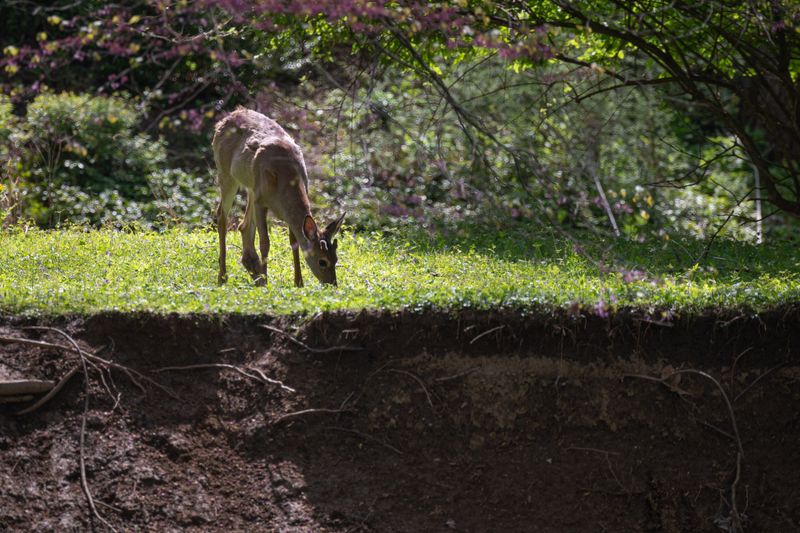
Grazing animals produce a patchy sward instead, with short lawns, tall tussocks, trampled edges and dung, and that patchiness is what supports the variety. The tool is therefore disturbance applied at a rate the habitat evolved with, rather than tidiness applied for its own sake or for the look of the place.
Different mouths do different jobs
Cattle wrap the tongue around vegetation and tear it, which leaves a rough uneven sward and lets them handle coarse grasses that other stock will avoid. Sheep bite close to the ground with incisors against a hard pad, producing a short tight turf and selectively removing flowering plants that they prefer.
Ponies graze very close and also browse woody growth, and they will tackle rank material cattle leave, though they are selective enough to open bare patches. Goats browse readily and are used where the aim is to set back scrub, but they are equally capable of removing tree regeneration nobody intended to lose. Choosing stock is therefore a statement about the sward structure you want, not simply a matter of what animals happen to be available locally.
Timing and density do most of the work
The same animals at the same numbers produce entirely different outcomes depending on which weeks of the year they are present on the ground. Grazing during flowering removes seed before it sets, while grazing after seed fall removes dead thatch and opens ground for germination the following spring. Ground-nesting birds are vulnerable to trampling during the breeding season, which pushes some sites toward late-summer grazing regardless of what the vegetation would prefer.
Wet ground poaches under hooves in winter, which can be damaging or can be precisely the bare muddy habitat that some scarce invertebrates require. Because these aims conflict, most grazing plans are compromises that favour one group of species and are honest about what that choice costs another.
When it goes wrong in either direction
Overgrazing removes structure entirely, leaving a uniform short sward with no flowering, no shelter and very little invertebrate habitat above ground level. On steep or thin soils it also strips the vegetation holding the surface together, and erosion follows on ground that had been stable for a very long time. Undergrazing is less visible and equally damaging, as coarse grasses accumulate dead material that shades out smaller plants while scrub advances from the edges inward.
Both failures reduce variety, which is why the useful question at any site is what structure is present rather than how many animals are on the ground.
Recovery from undergrazing is usually easier than recovery from erosion, which biases cautious managers toward keeping numbers on the low side.
Somebody has to own the animals
Conservation grazing depends on livestock that must be fed, watered, checked, moved, treated and eventually sold, and a nature reserve rarely does that itself. Most schemes therefore rely on a working farmer or a specialist grazier, which ties habitat management to agricultural economics that have nothing to do with the site. When livestock prices fall or a grazier retires, sites lose their animals abruptly, and the vegetation begins changing within a season or two of the animals leaving.
Public payment schemes in various countries try to bridge this by paying for management rather than for product, though the terms change with each policy cycle. The practical result is that habitat continuity depends on contract continuity, which is a fragile foundation for a habitat measured in centuries.
The disagreement, stated fairly
One position holds that these habitats are cultural artefacts worth conserving in their historic form, using the domestic livestock that created them in the first place. Another holds that closely managed grazing freezes a landscape at an arbitrary point, and that free-roaming large herbivores would produce a more dynamic and self-organising mosaic.
The evidence does not resolve this cleanly, partly because the two approaches optimise for different things and partly because the timescales are long and monitoring is short. There are also practical constraints that apply regardless of philosophy, including fencing, public access, road boundaries and animal welfare law that differs between countries. What both positions share is the observation that removing herbivory altogether produces the least varied outcome of all across most temperate landscapes.
The takeaway
The question at a grazed site is never how many animals. It is what structure the vegetation has, and who is paying for the animals that produce it.
The route rewards patience more than equipment.
Questions readers ask
Is grazing natural?
Large herbivores are part of most temperate ecosystems, so grazing pressure is natural in principle. Fenced livestock at a chosen density is a management decision that imitates it.
Why are cattle used on so many reserves?
Their tearing bite leaves a varied sward, they will eat coarse material, and their dung supports a large invertebrate community. Breed and hardiness matter as much as species.
Can mowing replace grazing?
Partly. It removes growth and maintains open habitat, but it produces uniform structure, no dung and no trampled bare ground, so the associated species are not the same.