Conservation
Bracken, gorse and the plants that win when management stops
Undermanagement produces a predictable set of dominant species, and reversing it is harder than preventing it.

The options around scrub encroachment are set out side by side below, with the conditions that genuinely favour one over the other.
The difference in one place
- Bracken spreads by rhizome and casts dense shade that excludes most species.
- Reduced grazing and abandoned management drive encroachment.
- Control is expensive, repeated and rarely permanent.
The winners are predictable
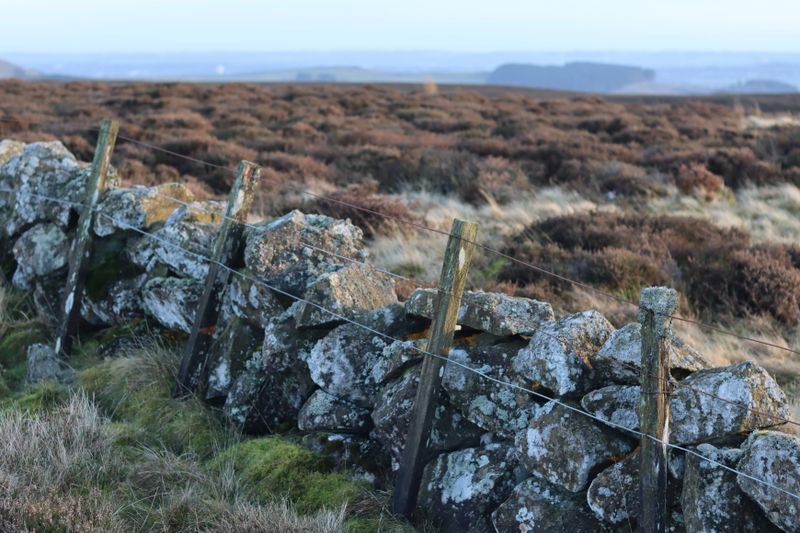
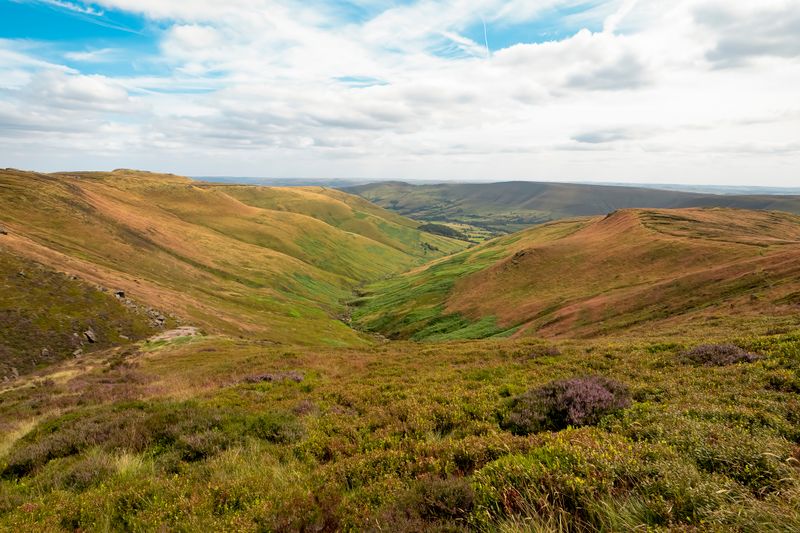
Where grazing or cutting stops, bracken, gorse, birch and bramble take over in fairly consistent sequence depending on soil. Each casts shade and accumulates litter, suppressing the ground flora that made the habitat valuable.
This is succession operating normally, which is why halting it requires continuous input. They were already present rather than arriving, since bracken rhizome, gorse seed and bramble stools persist under grazed vegetation for years, which is why the change looks sudden when management stops and why it moves so fast.
Bracken is the difficult one
It spreads through a rhizome network, so cutting the fronds does not remove the plant. The litter layer suppresses germination for years even after control, so recovery is slow. It also harbours ticks in high densities and is toxic to livestock, which limits grazing as a control.
The detail that matters: it suppresses chemically as well as physically, releasing compounds that inhibit other plants alongside a litter layer deep enough to smother seedlings, which is why so little grows beneath a bracken stand even where light reaches the ground.
Control methods and their limits
Repeated cutting at the right growth stage weakens rhizomes over several years, and requires access for machinery. Chemical control is effective and increasingly restricted, with some previously used compounds withdrawn. Bruising and trampling by cattle is effective on suitable ground and is being used deliberately.
The detail that matters: timing separates effective cutting from wasted effort, because the rhizome is at its most depleted just after the fronds have fully expanded, and a cut taken then costs the plant far more than the same cut a month either side of it.
Gorse and birch
Gorse fixes nitrogen and burns readily, and cutting alone stimulates regrowth from the base. Birch colonises bare ground rapidly and shades out heath within a decade or two.
Both are native and valuable in the right quantity, which is what makes control a question of balance rather than eradication. Gorse also fixes nitrogen and enriches the soil beneath it, so a cleared gorse stand does not revert to heath but to coarse grass, which is why clearance on nutrient-poor ground usually has to be followed by grazing rather than simply left.
The underlying cause is economic
Encroachment usually follows the withdrawal of grazing, which follows the collapse of the economics of keeping stock on marginal ground. Restoring management therefore means restoring a reason for someone to do it. This is why agri-environment payments target exactly these habitats.
The detail that matters: money is only half of it, because the work needs somebody living close enough to do it in the right week of the year, and where the rural population has thinned the binding constraint has become labour rather than funding.
How much of that applies depends on the terrain you are actually in.
Encroachment builds a fuel load
Bracken litter, dead gorse and standing dry grass accumulate wherever nothing grazes or cuts, and those fine fuels are what carries a fire fastest across a hillside. Gorse in particular holds volatile oils and burns hot enough to drive fire down into the soil or the peat beneath, which is a different and far worse outcome than a surface burn that passes over.
That makes encroachment a wildfire question as much as a botanical one, and a growing one wherever summers are drying and the rural population able to respond quickly is shrinking. Grazed strips, fire breaks and vehicle access are now designed into some restoration schemes for exactly this reason, which looks incongruous on a nature reserve and is a rational response to the fuel that has accumulated.
Side by side
| Consideration | What it means in practice |
|---|---|
| The winners are predictable | Bracken spreads by rhizome and casts dense shade that excludes most species. |
| Bracken is the difficult one | Reduced grazing and abandoned management drive encroachment. |
| Control methods and their limits | Control is expensive, repeated and rarely permanent. |
The takeaway
Encroachment is what happens when the economics of grazing collapse. The plants are a symptom.
Go slowly enough to notice, and most of this stops being advice and starts being obvious.
Questions readers ask
Is bracken bad?
It is native and has some value, and in dense monoculture it excludes almost everything else. The issue is dominance rather than presence.
Why not just let it go wild?
Because several valued habitats are the product of management. Abandonment produces a different, usually less diverse, outcome — which may be a legitimate choice, made deliberately.