Slow Travel
Travelling With A Dog Changes Every Part Of The Plan
Bringing a dog on a slow journey rules out some transport entirely, restricts accommodation sharply, and turns paperwork into a fixed part of the preparation.

A dog is not an accessory to a journey; it is a constraint that applies at every stage. Route, transport, accommodation and daily rhythm all reorganise around it.
Transport rules vary and are not negotiable
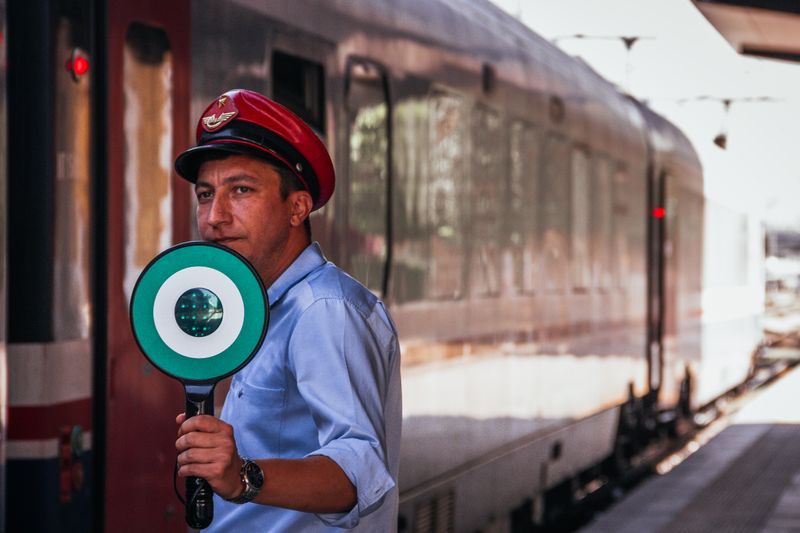
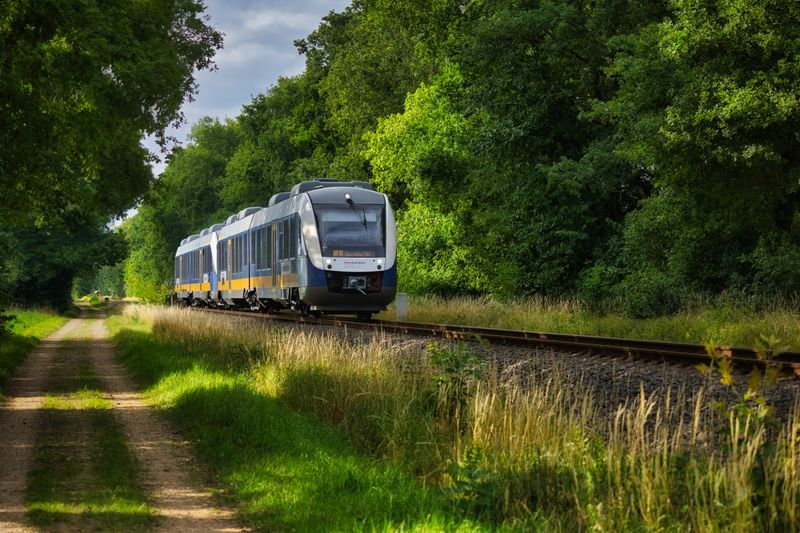
Rail operators differ enormously. Some carry dogs free with no restriction, some require a muzzle, some allow only animals small enough for a carrier, and some refuse them entirely.
Ferries generally accept dogs and frequently require them to remain in the vehicle or in kennels for the crossing, which matters greatly on a long passage.
Air travel is the hardest, since carriage in the hold is stressful and restricted by breed, temperature and season, and it is why many dog owners simply travel overland.
Paperwork has a lead time
Moving an animal across a border requires health documentation, identification by microchip and vaccination records, with specific timings that must be completed before travel.
Some of these have waiting periods measured in weeks between a vaccination and the date travel becomes permissible, which cannot be compressed for any reason.
Requirements differ by country and change over time, so the reliable approach is to check the destination's current official guidance rather than relying on previous experience or on general advice.
Accommodation is the daily constraint
The proportion of places accepting dogs is small and unevenly distributed. In some regions it is normal and in others it is nearly impossible outside campsites.
Booking ahead becomes necessary in a way it would not otherwise be, which removes much of the flexibility that makes slow travel appealing.
Campsites and self-catering are the reliable options, and a journey with a dog tends to drift towards them regardless of what the traveller would otherwise have chosen.
The dog's day sets the pace
Dogs need to be walked, fed and rested on their own schedule, and heat is a serious constraint that rules out midday travel in summer in much of southern Europe.
Long days in a vehicle or on a train are hard on an animal, so stages shorten and stops multiply, which pushes the whole journey towards a slower shape.
Hot surfaces, unfamiliar water and unfamiliar food all cause problems, and a traveller ends up carrying supplies to keep the animal's routine as unchanged as possible.
Some ground is closed and some is opened
Nature reserves, nesting beaches and grazing land restrict or prohibit dogs, and in upland areas with livestock the restrictions are strict and enforced.
Against that, a dog produces conversations with people who would not otherwise have spoken, and travellers consistently report that it changes the character of a journey more than any other single factor.
Questions readers ask
Can I book a bothy?
No — open shelters cannot be reserved, which is precisely what makes them reliable in an emergency. Carry a tent as a backup on busy weekends.
Are shelters free?
Open bothies generally are, maintained by donation and volunteer labour. Staffed refuges charge, usually with a discount for members of affiliated alpine clubs.