Slow Travel
Building a trip that is allowed to change its mind
A fixed itinerary in variable country guarantees compromises. Designing for flexibility costs a little more and produces a better trip.
This works through flexible itineraries in the order the parts actually depend on each other.
The short version
- Every advance booking converts flexibility into a fixed obligation.
- Weather variability means the best day for a high route rarely arrives on schedule.
- One spare day in a week absorbs most of what goes wrong.
Booking is spending flexibility
Each reservation made in advance buys certainty and price at the cost of the ability to change, and that trade is usually made without being noticed. A trip booked completely is a trip that must proceed regardless of weather, illness, transport failure or anything more interesting appearing. The commitments compound, because a fixed bed on the fourth night constrains the second and third days as effectively as booking those directly.
That is why itineraries fail all at once rather than gradually: a single disruption invalidates a chain of decisions that all assumed each other. The useful discipline is to notice, for each booking, exactly which future choices it is removing.
Weather does not arrive on schedule
In mountain and coastal country the difference between the best and worst day of a week is enormous, and its timing cannot be known when booking. A fixed plan therefore allocates the high route to whichever day it happens to fall on, which is a coin toss with a strong downside. A flexible plan holds two or three options and assigns them each morning, which converts the same week into a much better set of days.
This also removes the pressure that produces poor decisions, since nothing is lost by waiting when there is another day available. The requirement is simply that accommodation and transport do not force a specific location on a specific date.
Where to keep flexibility and where not to
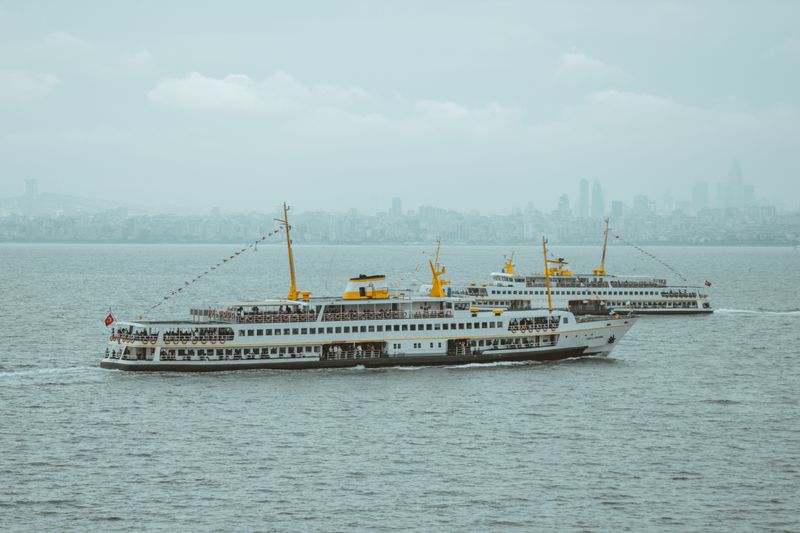
Long-haul travel, popular ferry crossings and anything in high season generally has to be fixed, because availability rather than flexibility is the constraint. The middle of a trip is where flexibility pays most, since that is where weather decisions and route choices actually get made.
Keeping a single base for several nights is the simplest way to buy flexibility, because it decouples where you sleep from where you go. Where a route requires moving each night, booking the beds and leaving the walking undecided achieves some of the same effect. The general shape is fixed at the ends, loose in the middle, which is the opposite of how most itineraries are constructed.
The spare day
One unallocated day in a week absorbs a cancelled ferry, a day of rain, an injury, a missed connection or an unexpectedly good invitation. It is the cheapest form of insurance available and the first thing removed when people try to fit more in.
On the ground, placed near the end it protects the return; placed in the middle it protects the main objective of the trip. Trips longer than a week benefit from more than one, because the probability of something going wrong accumulates rather than staying constant.
A spare day that goes unused is not wasted, since it usually becomes the day people remember.
Flexible tickets and what they cost
Cheaper fares are almost always the least flexible, and the price difference is precisely the value of the option you are giving up. Whether that is worth paying depends on how likely a change is, which is knowable in advance for weather-dependent trips in variable seasons.
The detail that matters: some operators allow changes for a fee rather than requiring a new booking, and that middle option is frequently better value than either extreme. Cancellation terms for accommodation vary enormously, and a slightly higher rate with free cancellation often costs less overall on an uncertain trip. Terms change constantly and differ by operator and country, so they should be read at the time of booking rather than assumed from experience.
Making decisions on the day
Flexibility only helps if there is a process for using it, which means knowing the alternatives well enough to choose one over breakfast. That preparation is done at home: two or three routes at different altitudes, with their timings, escape options and transport already understood. The decision then takes minutes rather than an hour, and it is made with information rather than under pressure.
Local sources, including conditions reports, wardens and the people running your accommodation, are usually better than any forecast for the following few hours. A flexible trip is therefore more planning rather than less, which is the part people underestimate before trying it.
The takeaway
Fix the ends, leave the middle loose, and keep one day for whatever the week decides to do.
What holds up over a week outdoors is rarely what looks best at the trailhead.
Questions readers ask
Doesn't flexibility cost more?
Often, in ticket and accommodation terms. It usually costs less overall on weather-dependent trips, where a fixed plan forces bad days and wasted good ones.
Where should I keep a trip fixed?
At the ends. Long-haul travel, popular crossings and peak-season accommodation are constrained by availability. The middle is where flexibility actually gets used.
How much slack does a week need?
One unallocated day absorbs most disruptions. Longer trips need more, because the chance of something going wrong accumulates with duration.