People & Place
Wardens, warden bothies and who is actually out there in winter
A small number of people keep upland infrastructure working through the months when almost nobody visits.
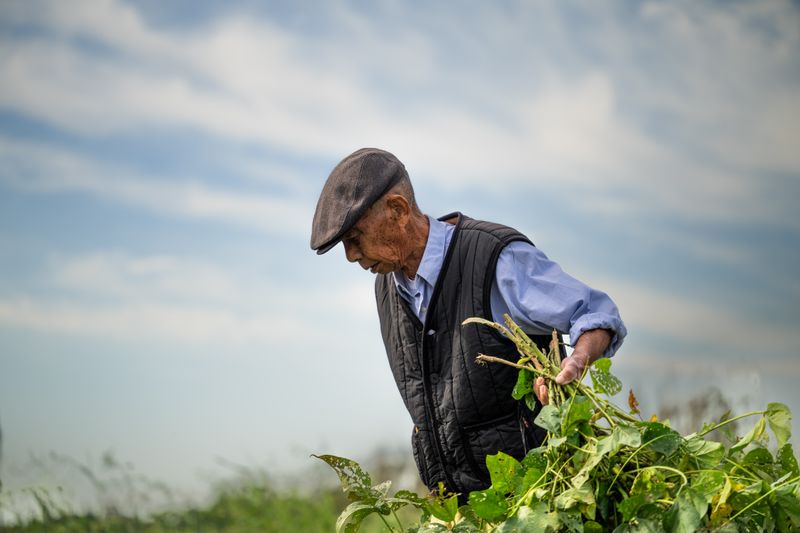
What follows is the working version of winter estate and warden work: the decisions in the order you actually meet them, with the reasoning attached.
Before you start
- Path repair, fencing and monitoring continue through winter.
- Winter is when much of the heavy infrastructure work happens.
- Lone working in remote terrain has its own protocols.
The work does not stop
Path drainage, fence repair, deer management, tree planting and monitoring all continue when visitor numbers collapse. Much of it is deliberately scheduled for winter precisely because the hills are quiet and the ground is firm or frozen. This is invisible to most visitors, who see finished paths in July.
The calendar is set by ecology rather than convenience, because vegetation clearance, fencing and felling are all restricted or avoided during the nesting season, which pushes the bulk of the physical work into the months nobody is there to see it.
Winter is the working season for some tasks
Tree planting is done in the dormant season, and fencing is easier without vegetation. Helicopter lifts of stone and materials are scheduled around weather windows rather than around convenience.
The detail that matters: a single weather window can determine whether a season's work happens. A lift is a day the whole team has to be ready for, with bags filled and staged in advance, a landing area prepared and people on the hill from first light, because the aircraft is hired by the hour and the window may not return for a fortnight.
Lone working protocols
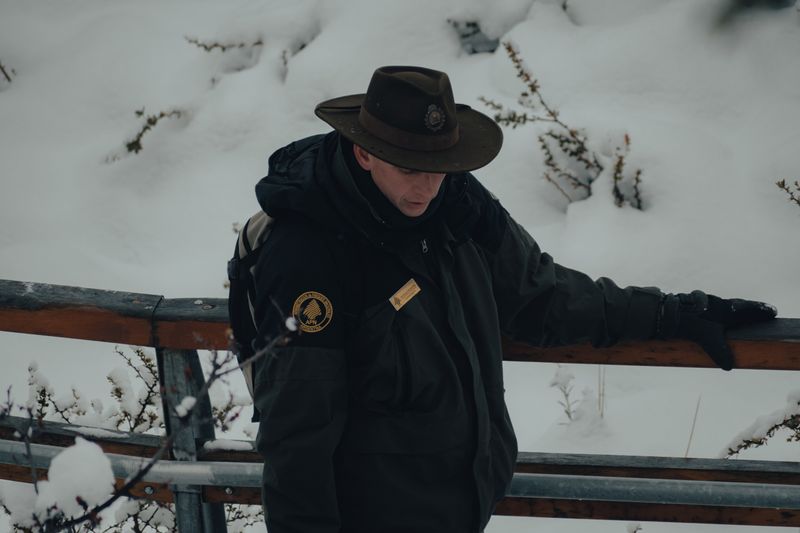
Estate and ranger staff working alone in remote terrain use check-in systems, satellite communicators and defined turnaround procedures. These are the same practices recommended to walkers and are followed more rigorously by people who do it daily. It is worth noticing that the professionals are more cautious than most recreational visitors.
Over a season, in practice that means a stated finishing time, a named person who acts if the call does not come, a satellite communicator carried as standard, and a rule about certain ground not being worked alone at all.
Weather is the employer
Work is planned against forecasts and abandoned readily, because the cost of pressing on is high and the work will still be there. That willingness to stand down is the clearest cultural difference from recreational hill users on a fixed weekend.
Locally, it is also why professional accident rates in the uplands are lower than the exposure would suggest. The reason it holds is cultural rather than procedural, because nobody is judged for standing a job down, and a team where turning back is unremarkable makes far better decisions than one where it has to be argued for.
Meeting them
People working on the hill in February generally know current conditions better than any forecast. They are usually happy to say what the ground is doing and where the drifting is. It is the most useful conversation available and costs nothing.
They are usually working to a plan and a weather window, so the useful version is a short question about conditions rather than a long conversation, and asking whether you are in the way of anything is what gets the warmest response.
The jobs are mostly seasonal, and that has consequences
A large share of ranger and warden posts are fixed-term, paid from a project grant rather than from core budget, and they end when the project does. Housing is frequently tied to the post, so leaving the job means leaving the valley, which is how upland conservation loses experienced people to steadier work somewhere flatter.
The cost is not only personal: the knowledge that matters most is local and unwritten — which drain blocks in a thaw, which slope loads with wind-blown snow, which neighbour to telephone before bringing a machine up the track — and it walks out with the person who held it. Organisations that keep staff for a decade have visibly better-maintained ground than those with high turnover, and the difference is accumulated memory rather than effort.
The takeaway
The people who work up there stand down more readily than the people who visit. That is worth copying.
What holds up over a week outdoors is rarely what looks best at the trailhead.
Questions readers ask
Can I volunteer for winter work parties?
Many conservation bodies run them year-round, and winter tasks like tree planting and scrub clearance are among the most accessible to newcomers.
Is it safe to walk where work is happening?
Follow any signage — helicopter lifts, felling and fencing all have exclusion zones for good reason. Staff will tell you where is fine.
Also by Imogen Vasse
- Crofting, commons and the land nobody quite ownsPeople & Place
- Walking in heat is a different sport, and the rules are strictTrails & Routes
- Blisters are a friction problem, not a toughness problemTrails & Routes
- Wild camping law varies enormously, and assumptions travel badlyTrails & Routes