Conservation
Wilderness Designation Decides What A Machine May Touch
Congressional wilderness designation restricts mechanized equipment rather than visitors, which explains why trail crews carry hand tools and why maintenance backlogs grow faster inside the boundary.
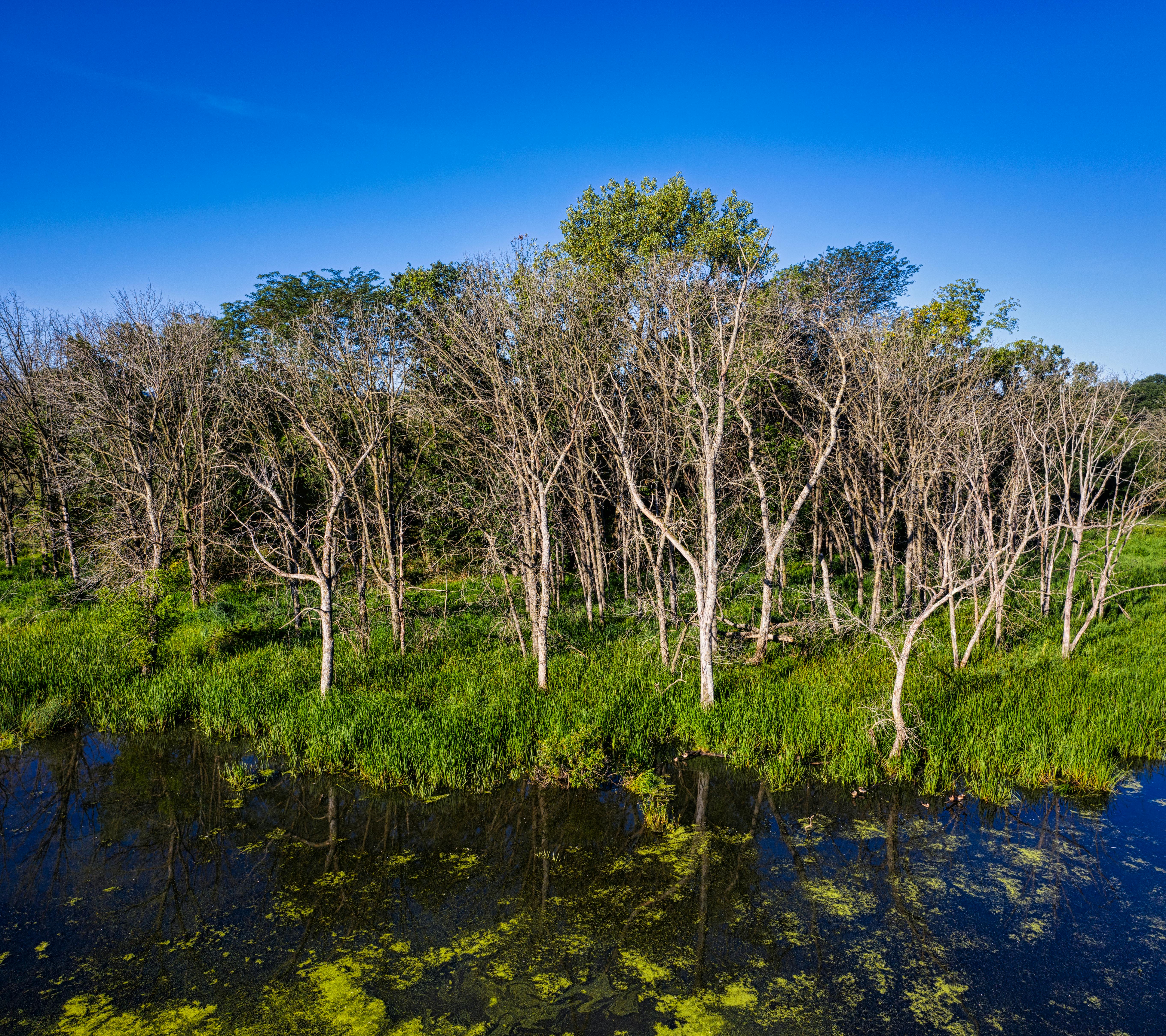
Wilderness is the strictest protection American public land receives, and it is granted by Congress rather than by an agency. What it mostly regulates is not people but machinery.
The restriction is on mechanization, not on access
A designated wilderness generally stays open to walking, camping, hunting and fishing under the managing agency's rules. Visitors are not the thing the statute was written to hold back.
What is excluded is permanent road building, motor vehicles, and mechanical transport of most kinds. Bicycles fall on the excluded side, which surprises riders who expect a muscle-powered machine to qualify.
The logic is that a place stays wild if the tools used inside it stay simple. Once a road exists, everything downstream of the road changes to match it.
Why trail crews carry crosscut saws
Chainsaws are motorized equipment, so clearing a blowdown inside wilderness usually means a two-person crosscut saw and wedges. A log that takes minutes outside the boundary can take most of a morning inside it.
Crews also need certified sawyers, and crosscut certification is a separate and less common qualification. The limiting factor is often trained people rather than the saw itself.
Agencies can grant a minimum requirement exception for emergencies, but the process is deliberately slow. Routine maintenance almost never clears that bar.
Maintenance backlogs grow at the boundary
Because work inside is slower and more labor-intensive, wilderness trails accumulate deferred maintenance faster than adjacent front-country trails. A hard winter can put a route out of service for a whole season.
Volunteer partners fill a large share of that gap, which makes the condition of a trail partly a function of whether a local group adopted it.
The practical effect for a walker is that route conditions vary far more than the map suggests. Two trails of equal length can differ by hours depending on who has been through with a saw.
The boundary is where the arguments happen
Most conflict concerns the edge rather than the interior. Proposed additions usually involve roadless country that already functions as wilderness but lacks the statutory protection.
Opponents typically object to losing motorized recreation, mineral access or fire equipment options rather than to protection in principle. Supporters point out that unprotected roadless land can be entered administratively at any time.
Because designation requires an act of Congress, the argument is political and slow, and proposals often sit unresolved across many sessions.
Fire and rescue are handled as exceptions
Wildfire suppression, search and rescue and certain administrative needs can use motorized equipment inside wilderness when authorized. These are exceptions written into policy rather than loopholes.
Managers weigh the damage a helicopter or engine would do against the harm of not acting, which is a judgment made case by case.
Fire management inside wilderness also leans harder on letting lightning fires burn where conditions allow, since the designation favors natural process over intervention.
Questions readers ask
How can pumping groundwater affect a river?
Many rivers are fed by groundwater seeping in along their length. Lowering the water table reduces that seepage, so flow falls with no structure on the river itself.
Is low flow just drought?
Drought reduces flow naturally. Abstraction adds to it, and the two coincide because demand rises in dry weather. Separating the causes requires long records and groundwater data.
What is a hands-off flow condition?
A licence condition requiring abstraction to reduce or stop when river flow falls below a set level, protecting the river at its most vulnerable while allowing normal use otherwise.