Conservation
Seed Provenance Decides Whether A Planting Scheme Survives
Two saplings of the same species can behave completely differently depending on where their parent trees grew, which is why restoration projects argue about seed sources.
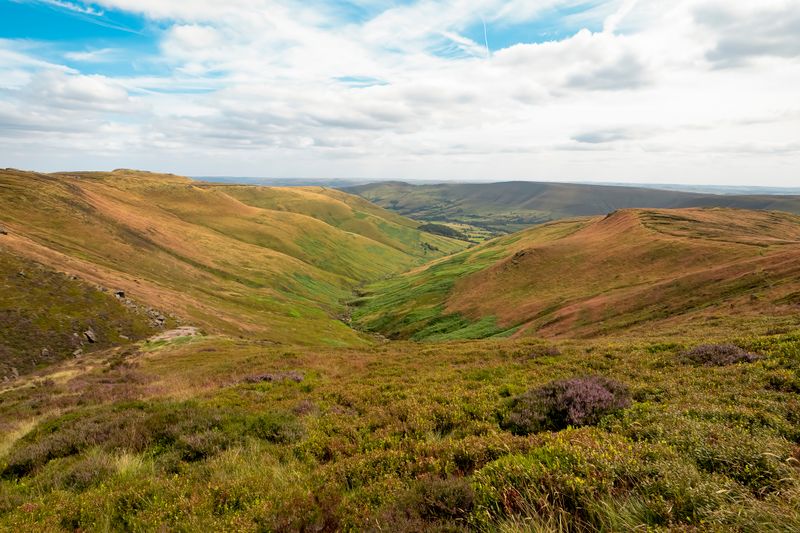
A planting scheme can use the correct species, the correct spacing and the correct ground, and still fail within a decade. The variable that gets least attention is where the seed came from.
Populations differ inside a single species
A species spread across a continent is not uniform. Populations at the northern edge of a range flush their leaves earlier or later than populations in the south, and those timings are heritable.
The differences are usually invisible in a nursery bed. They appear in the field, when a tree breaks bud three weeks out of step with the local spring and meets a frost it was never adapted to.
This is why restoration ecologists talk about provenance rather than species. The label on the sack tells you what will grow; it does not tell you whether it will thrive on that particular hillside.
Nurseries buy seed where seed is cheap
Commercial nurseries operate on margins that reward bulk purchasing. Seed collected in one country and grown on in another is substantially cheaper than seed gathered locally by hand from scattered parent trees.
The result is that a scheme funded to restore a native woodland can end up planting stock with genetics from hundreds of miles away, often without anyone in the chain intending it.
Certification schemes exist to trace seed lots back to their origin, but they add cost and paperwork. Where budgets are tight, the traceable option is usually the one that gets dropped.
Imported stock carries more than genetics
Plants move with the organisms living on and in them. Several of the most damaging tree diseases in Europe arrived in nursery consignments rather than on the wind, and were established before anyone noticed.
Biosecurity rules have tightened in response, and some projects now insist on seed collected locally and grown under agreed conditions. That takes years of lead time, which sits awkwardly with grant cycles.
The practical compromise many projects reach is to grow their own from parent trees they can point at, accepting a smaller scheme in exchange for knowing exactly what went into the ground.
A changing climate complicates the local rule
The old advice was simple: use the nearest seed source available. That advice assumed the conditions a tree would face in eighty years resembled the conditions its parents faced.
Warming has weakened that assumption, and some practitioners now argue for sourcing seed from populations a little further south, on the reasoning that those genetics will suit the future site.
Others point out that moving genetics deliberately is exactly the practice that caused problems before. The argument is unresolved, and most schemes hedge by mixing sources rather than committing to one.
Failure is slow and rarely reported
A badly provenanced planting does not die in the first season. It grows, looks convincing in photographs, and then thins out over twenty years as trees fail one by one.
By the time the pattern is obvious, the grant has closed and the monitoring has stopped. There is rarely anyone left with an interest in tracing the loss back to the seed lot.
Questions readers ask
How can pumping groundwater affect a river?
Many rivers are fed by groundwater seeping in along their length. Lowering the water table reduces that seepage, so flow falls with no structure on the river itself.
Is low flow just drought?
Drought reduces flow naturally. Abstraction adds to it, and the two coincide because demand rises in dry weather. Separating the causes requires long records and groundwater data.
What is a hands-off flow condition?
A licence condition requiring abstraction to reduce or stop when river flow falls below a set level, protecting the river at its most vulnerable while allowing normal use otherwise.