Conservation
Captive Breeding Is The Last Option And The Hardest To Exit
Breeding a species in captivity is technically achievable for many animals, but returning them to the wild raises problems that captivity itself quietly creates.
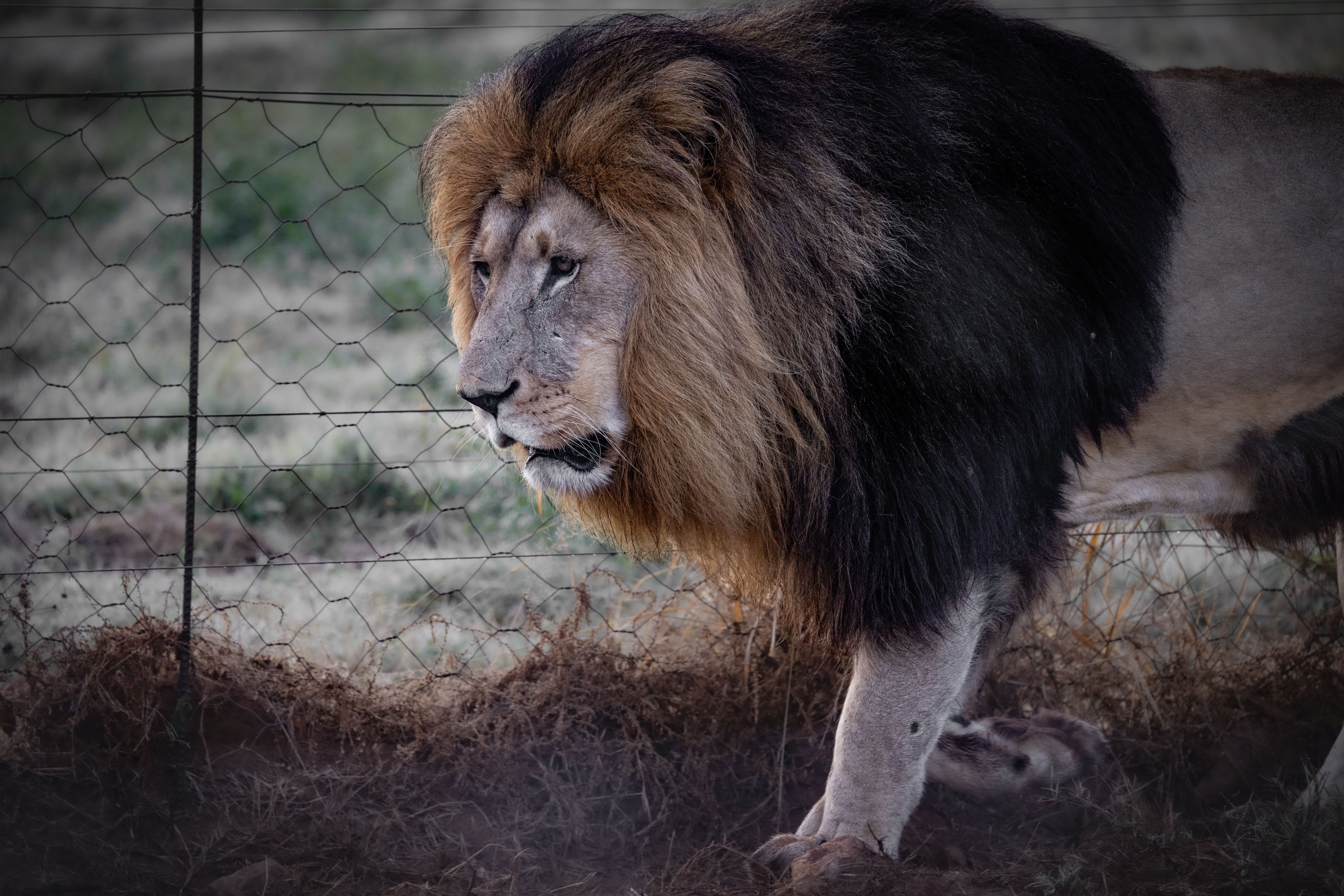
Captive breeding is often described as a safety net for a species heading towards extinction. The breeding is usually the straightforward part; getting animals back out is where programmes stall.
Captivity selects for captivity
Any population under a new set of pressures adapts to them. In captivity the pressures are docility, tolerance of confinement and the ability to feed from a predictable source.
Animals that cope well with those conditions leave more offspring than animals that do not. Over a handful of generations the population shifts, without anyone selecting for anything deliberately.
The traits favoured are frequently the opposite of what survival in the wild demands. A wary, nervous animal is a difficult captive and a successful wild one.
Behaviour is learned as well as inherited
Many species learn what to eat, what to fear and where to move from other individuals rather than from instinct alone. Break that chain and the knowledge does not regenerate on its own.
Programmes have responded with elaborate workarounds: puppet rearing, predator training, aircraft leading migrations. These are laborious, expensive and only partially effective, and they demonstrate how much captivity removes.
Where a species has a short generation time and simple behaviour, the problem is manageable. Where it is long-lived and socially complex, the loss compounds with every generation held indoors.
Genetic management is a full-time discipline
A closed population founded from a small number of individuals loses variation steadily. Studbooks exist to slow that loss by planning which animals breed with which, often across institutions in different countries.
The mathematics is unforgiving. Retaining most of the founding variation for a century requires either a large population or continual movement of animals between collections, and usually both.
Every generation bred in captivity is variation spent. This is why practitioners describe the approach as buying time rather than as a solution.
The habitat problem does not pause
A species usually enters captivity because something in the wild was killing it. Unless that cause is addressed, released animals meet the same conditions their ancestors could not survive.
Release programmes therefore depend on work that has nothing to do with breeding: predator control, habitat restoration, changes to law or land use. The captive population is the least difficult component.
Where the underlying cause has not shifted, releases become a permanent subsidy, with animals produced indoors continually replacing animals dying outdoors.
Exit needs to be designed at the start
Programmes that release successfully tend to be the ones that set out with a defined endpoint, a target wild population and a plan for winding the captive element down.
Programmes without that framing drift. The collection becomes an institution with staff, buildings and its own funding stream, and the question of when to stop stops being asked.
Questions readers ask
How can pumping groundwater affect a river?
Many rivers are fed by groundwater seeping in along their length. Lowering the water table reduces that seepage, so flow falls with no structure on the river itself.
Is low flow just drought?
Drought reduces flow naturally. Abstraction adds to it, and the two coincide because demand rises in dry weather. Separating the causes requires long records and groundwater data.
What is a hands-off flow condition?
A licence condition requiring abstraction to reduce or stop when river flow falls below a set level, protecting the river at its most vulnerable while allowing normal use otherwise.