Conservation
A Grazing Allotment Is Leased Ground With A Long Memory
Federal grazing permits attach to a ranch rather than a person, are measured in animal unit months, and carry a management history that shapes the land long after the cattle move.
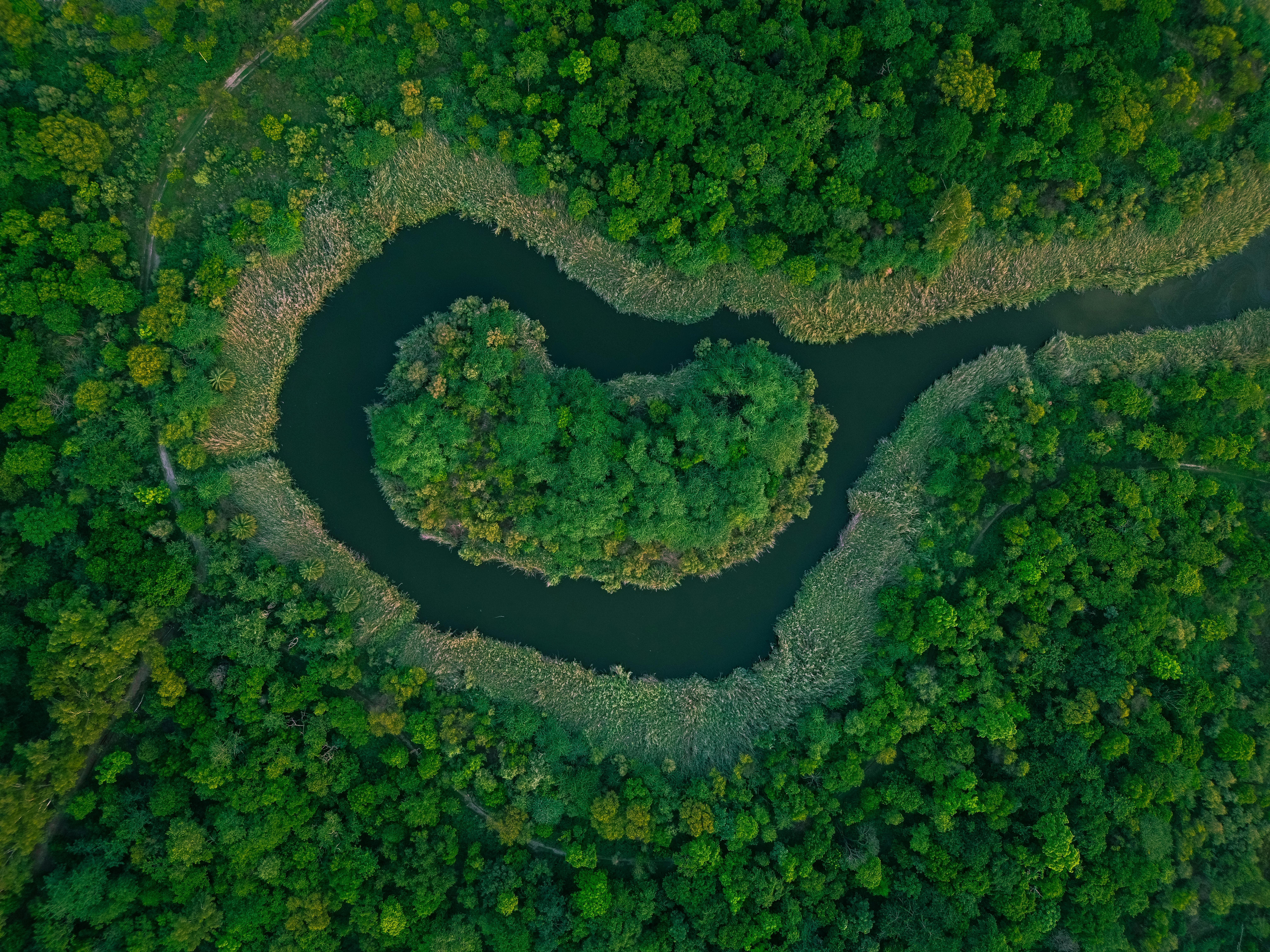
Much of the public land in the American West is grazed under permit, and the permit system is older than most of the agencies administering it. Its structure explains a good deal of western conservation politics.
The permit attaches to the ranch, not the rancher
A federal grazing permit is tied to qualifying private base property, usually the ranch's deeded land and water. Selling the ranch normally transfers the associated permit with it.
That linkage means the permit's value is capitalized into the price of the private property, even though the permit conveys no ownership of the public land itself.
Because a family's asset is bound up in continued permit renewal, changes to allotment terms carry financial consequences well beyond the forage in question.
Forage is counted in animal unit months
Stocking is expressed in animal unit months, roughly the forage one cow and calf consume in a month. Permits specify a number of those and the season of use.
The season matters as much as the number. Grazing a bunchgrass pasture during the growing season affects the plant differently than grazing the same pasture after seed set.
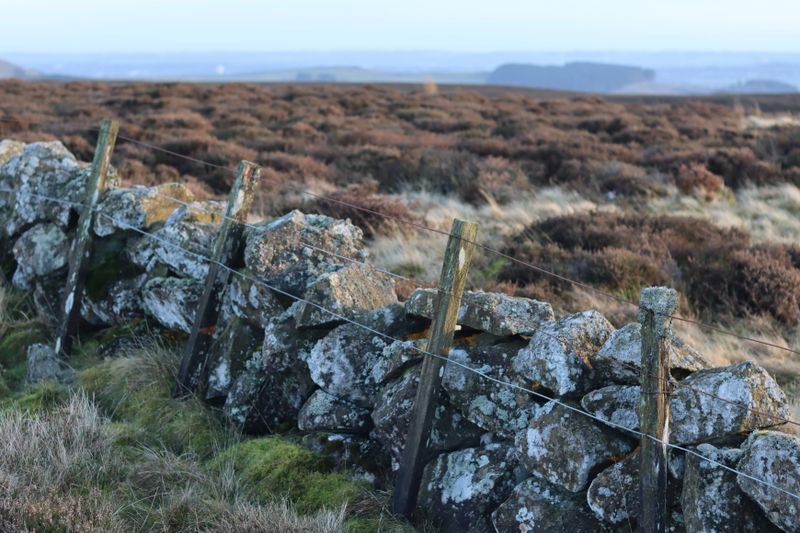
Rotational systems move livestock between pastures to give plants a rest period, and their success depends on the fences and water needed to make the moves possible.
Water development reshapes where animals go
Cattle concentrate near water, so a spring, tank or pipeline determines the distribution of grazing pressure far more than the total number of animals does.
Developing off-stream water is a common tool for pulling livestock away from riparian areas, which are a small fraction of western acreage and disproportionately important for wildlife.
Spring developments can also dry the seep they draw from if piped too aggressively, so the fix carries its own risk to the habitat it was meant to protect.
Monitoring is where disagreements become concrete
Range condition is assessed through utilization measurements, photo points and vegetation transects, repeated over years. Trend matters more than any single reading.
Drought complicates the picture, because reduced plant vigor can result from weather, grazing or both. Separating those causes requires long records that many allotments do not have.
Where records are thin, disputes over whether an allotment is improving or degrading become arguments about interpretation rather than about facts.
Permit retirement is a partial exit
Conservation buyers sometimes purchase base property with the intention of retiring the associated grazing use. Whether an agency can permanently close the allotment varies by statute and by unit.
Rural communities often oppose retirement because ranching supports local businesses and keeps large private parcels from being subdivided.
That trade-off is the durable version of the argument: removing livestock from public ground can increase development pressure on the private ground next to it.
Questions readers ask
How can pumping groundwater affect a river?
Many rivers are fed by groundwater seeping in along their length. Lowering the water table reduces that seepage, so flow falls with no structure on the river itself.
Is low flow just drought?
Drought reduces flow naturally. Abstraction adds to it, and the two coincide because demand rises in dry weather. Separating the causes requires long records and groundwater data.
What is a hands-off flow condition?
A licence condition requiring abstraction to reduce or stop when river flow falls below a set level, protecting the river at its most vulnerable while allowing normal use otherwise.