People & Place
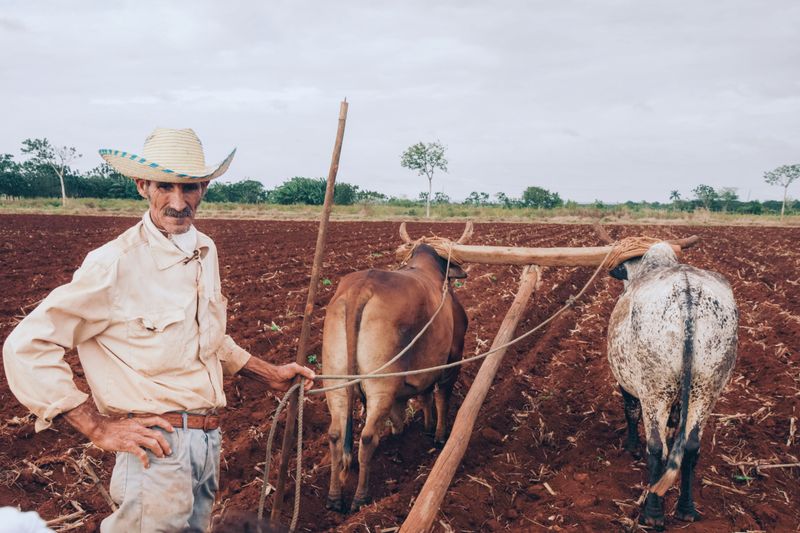
Packers And Mules Still Supply The Backcountry
Stock packing remains the only practical way to move heavy loads into wilderness where motors are prohibited, and the craft depends on knowledge that takes years to acquire.

Bridges, cabins and trail crews deep in wilderness require materials that no one can carry on their back. In much of the American West those loads still arrive by mule.
The prohibition on machines creates the need
Designated wilderness excludes motorized and mechanized transport, so helicopters require special authorization and wheeled carts are not an option.
Stock is neither motorized nor mechanized, which leaves a string of mules as the standard method for hauling lumber, tools, food and stoves to a remote work site.
A packer with a string can move several hundred pounds in a day over trail that would take a crew a week to supply on foot.
Loading a mule is a technical skill
Loads must balance side to side within a few pounds, or the pack slips and the animal is injured. Weight is checked rather than judged.
Awkward objects, from window frames to sections of pipe, are packed using specific hitches and rigging developed over generations for exactly these shapes.
A poorly tied load comes apart on a switchback, which scatters cargo down a slope and puts the animal and the packer at risk on narrow trail.
The string travels at the pace of the trail
Mules are led in a line, and the string moves at a walk with stops to check loads. Distance covered depends on the trail's condition more than on the animals' fitness.
Low branches, narrow rock cuts and bridges with awkward approaches all constrain what a string can pass, which is why stock-standard clearance is part of trail maintenance.
Meeting a string on a trail means stepping to the downhill side and standing still, since animals startle at movement above them on a slope.
Grazing and water are part of the plan
Stock need forage and water at camp, and both are limited in high country. Managers restrict grazing in fragile meadows and require certified weed-free feed to avoid importing invasive plants.
Highlining and hobbling keep animals contained without tying them to trees, which would strip bark and compact soil in a single night.
Manure and trampling at popular stock camps are a persistent management issue, and separate stock and hiker camps exist for that reason.
The knowledge is held by few people
Packing is learned by apprenticeship, and the number of working packers has fallen as agencies reduced their stock programs over decades.
Some units have rebuilt programs after discovering that contracting the work was neither cheaper nor available when needed.
Where the skill has lapsed, wilderness maintenance projects stall for logistical reasons rather than for lack of funding or willing crews.
Questions readers ask
Do I have a right to roam?
It depends entirely on the country and often on the land type. Check the specific access framework where you are walking rather than assuming.
How can I help protect a local path?
Join a local access or rambling group. Much of the recording, reporting and evidence work that keeps paths open is volunteer-led.