Gear & Craft
Gaiters Solve A Problem Most People Misdiagnose
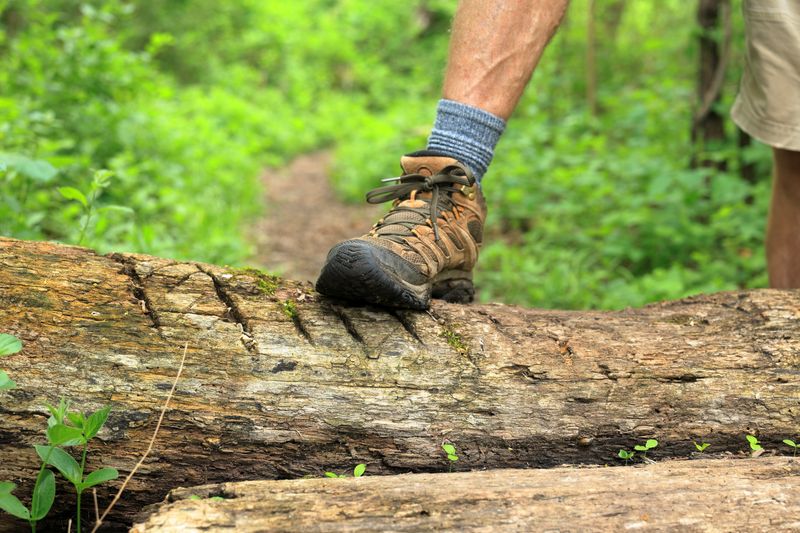
Wet feet on a walk usually come from water entering over the boot cuff rather than through the boot, which is why waterproofing the boot rarely fixes it.

Walkers with wet feet generally conclude their boots have failed. In most conditions the water arrived over the top of the boot, and no amount of treatment will change that.
Water travels down, not in
Wet vegetation soaks trousers from the knee down. That water runs downwards under gravity, reaches the ankle, and pools in the gap between the sock and the boot cuff.
The boot then works exactly as designed, holding water in rather than out. A waterproof boot in this situation is worse than a draining one, because the water has no route out.
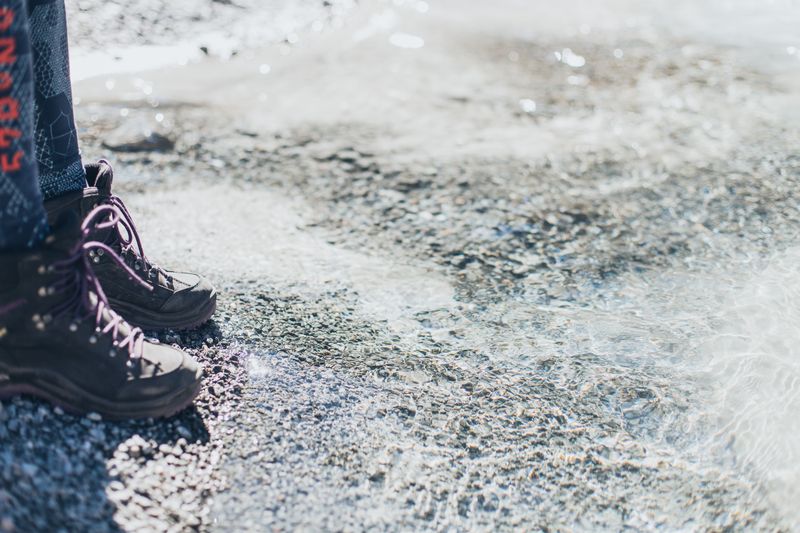
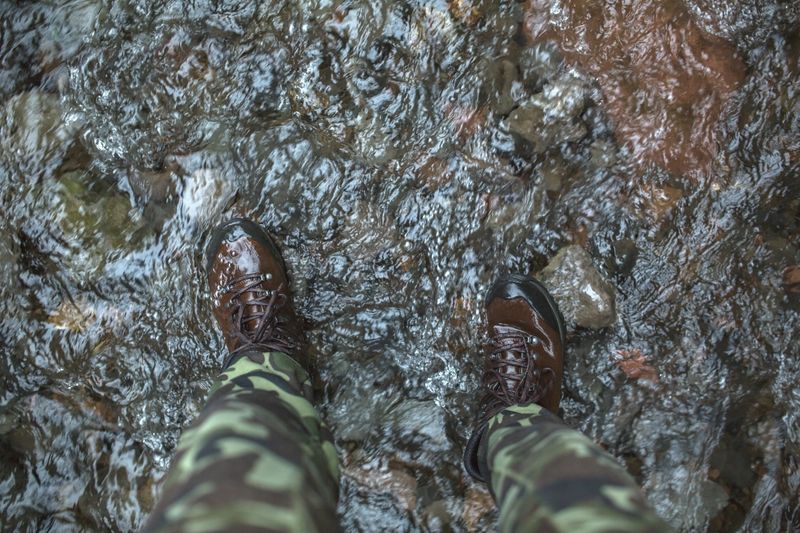
This is why feet get wet on a dry day walking through long wet grass, and stay dry crossing a shallow stream that briefly submerges the boot entirely.
What a gaiter actually does
A gaiter bridges the gap. It runs from mid-calf down over the boot cuff, so water shedding off the trouser leg is carried past the opening rather than into it.
The seal at the bottom matters more than the fabric. A gaiter that gapes at the heel or rides up the boot leaves exactly the opening it was bought to close.
The strap under the arch and the hook at the lace do this work. If either is worn or the wrong size, the gaiter becomes decoration.
The second job is debris
On scree, sand and cut heather, small material works into the boot with every step. It collects under the arch, where it abrades skin and causes blisters within a few miles.
Stopping to empty a boot costs time and rarely gets done often enough. A short gaiter designed for this job weighs very little and removes the problem entirely.
Desert and volcanic ground make the case most obviously, but the same argument applies to any freshly repaired path surfaced with sharp aggregate.
Height should match the ground
Full-height gaiters reaching below the knee are made for deep snow and heavy vegetation. They are hot, and in warm conditions they turn the lower leg into a sealed compartment.
Ankle-height versions handle grit and short grass at a fraction of the weight and warmth. Carrying the wrong height is a common reason gaiters stay in the pack.
Some designs open along the full length rather than requiring the boot to come off. That single feature determines whether they get put on at the point they are needed.
Fabric choice trades wear against breathability
Membrane gaiters breathe better and are cut by rock and crampon points. Tightly woven synthetic fabric resists abrasion and traps more moisture inside.
Neither is wrong. The relevant question is whether the leg is spending its day against wet vegetation or against stone, and most walkers only ever need one of the two.
Questions readers ask
Why did my torch come back to life in my pocket?
Cold raised the cell's internal resistance and its voltage sagged under load. Warming it restored the reaction rate, and the charge that appeared to be gone became usable again.
Which batteries are best for winter?
Lithium primary cells generally outperform alkaline in cold. Rechargeable lithium-ion works but loses runtime and should not be charged below freezing.
How should I store batteries between trips?
Cool, dry and out of the device. Lithium-ion keeps better at partial charge than full, and alkaline cells left in equipment can leak and destroy it.