Gear & Craft
Buying kit second hand without buying somebody else's failure
Most outdoor equipment holds up well used, and a specific short list does not.
The theory of second-hand gear is well covered elsewhere. This is about the version you meet in practice.
What holds up in practice
- Fabric, hardware and packs are usually safe used; life-safety equipment is not.
- Down and membranes degrade in storage as well as in use.
- Manufacturer repair schemes extend the life of good kit substantially.
What buys well used
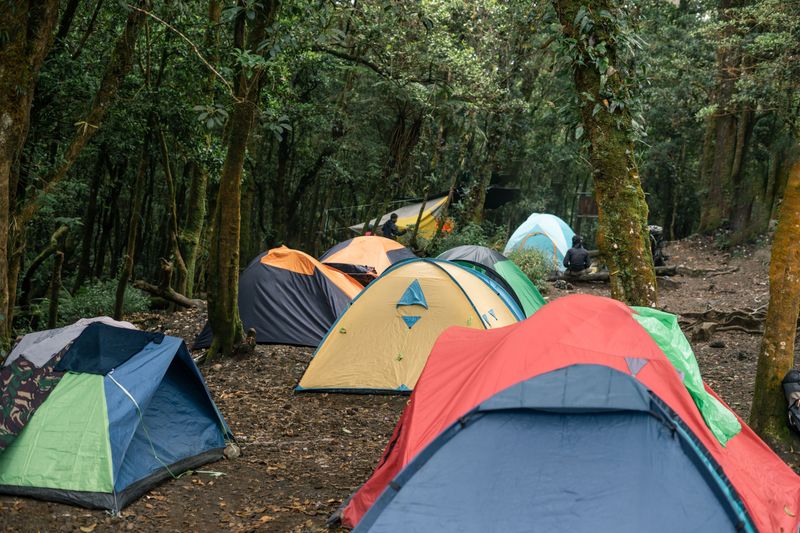
Rucksacks, hard-shell jackets, tents, poles, stoves and boots in good condition are all reasonable second-hand purchases. The market is large, prices are a fraction of new and quality kit is built to last years. Buying a better brand used frequently beats buying a cheap item new.
The exception inside that list is anything fit-critical, since boots and packs bought unseen are a gamble that fails more often than it works, and those two are worth buying used only where you can try them on first.
What does not
Ropes, harnesses, helmets, slings and any load-bearing climbing equipment should not be bought used, because their history is unknowable. A rope that has taken a severe fall or been contaminated looks identical to one that has not. Manufacturers publish retirement guidance and it should be treated as binding.
Worth knowing before you go — helmets deserve their own note, because one significant impact ends the useful life of a helmet and the damage is frequently invisible from outside, so a used one is being bought on the word of somebody with every incentive to have forgotten.
Degradation happens in storage
Down loses loft slowly and polyurethane coatings hydrolyse over years regardless of use. An unused ten-year-old jacket can delaminate on its first wet day. Age matters as well as apparent condition, and sellers rarely mention it.
Worth knowing before you go — dating an item is usually possible if you ask, since many carry a manufacture code or a model year, and a seller who cannot say roughly when something was bought has told you something useful in itself.
What to inspect
Seam tape lifting, delamination, zip condition, buckle cracks, boot sole separation and pole segment wear. For tents, check the flysheet for stickiness, which indicates coating breakdown and cannot be repaired.
Photographs rarely show any of this, so buying where you can inspect is worth a small premium. Smell is the test people forget, because a tent or a sleeping bag packed away damp carries mildew that has already weakened the fabric and cannot be washed out, and it announces itself the moment the bag is opened.
Repair extends life
Several manufacturers run repair services and honour lifetime warranties on manufacturing defects even for second owners in some cases. Independent repairers handle zips, seams and re-proofing at a fraction of replacement cost.
Over a season, a repaired jacket is usually better value and lower impact than a new one. Provenance is worth as much as condition, because something sold with a straightforward account of what it has done, how it was stored and why it is going is a far better proposition than an item described only as barely used.
The exception is usually weather, which overrides most planning.
Hiring beats buying for anything used once
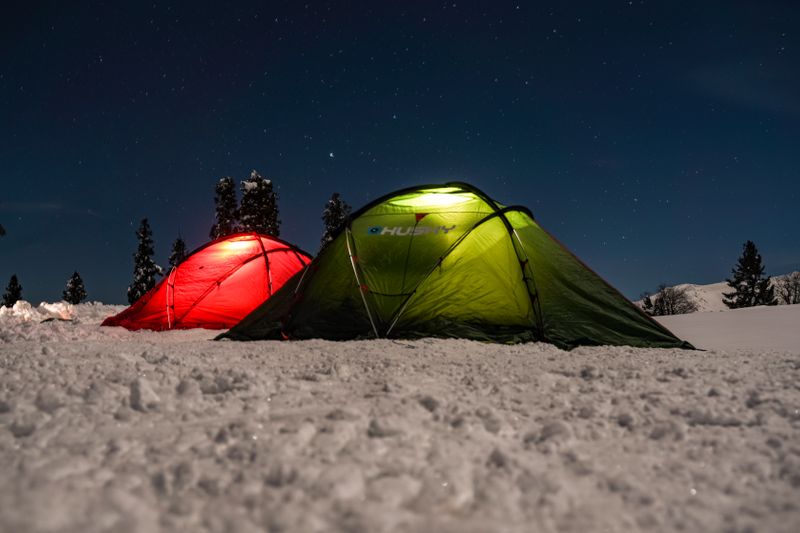
Winter equipment, expedition sleeping bags, snowshoes and technical hardware are all hired routinely near the ranges where they get used, and for a single trip that costs a fraction of ownership and removes the storage question entirely. Hire also answers the second-hand problem for life-safety equipment, because a hire fleet is inspected, dated and retired on a schedule that a private seller has no reason to keep or disclose.
Over a season, outdoor centres, clubs and a growing number of lending libraries provide kit to members for very little, which is how a good many people establish whether they actually enjoy winter walking before buying anything. The same channels take equipment the other way, so passing serviceable kit into a club store or a hire fleet when you replace it keeps it in use rather than in a loft.
The takeaway
Buy fabric and hardware used. Never buy anything that stops you falling.
The route rewards patience more than equipment.
Questions readers ask
Is a used sleeping bag worth buying?
If storage was good and loft is intact, yes. Compressed long-term storage permanently damages loft, and that is difficult to assess from a photograph.
How old is too old for a waterproof?
It depends on storage more than age. Sticky or flaking inner coating means the polyurethane has hydrolysed, and that is terminal.