Conservation
Deer management is the argument underneath most woodland debates
A wood that cannot regenerate is a wood with a browsing problem, and the solutions are all unpopular.
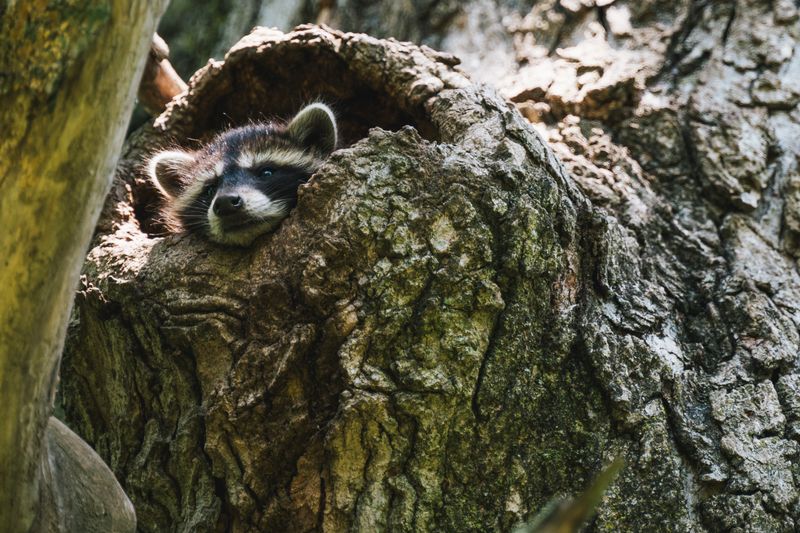
The points below about deer management are ordered by how much difference they make, not by how often they get repeated.
What matters most
- High deer densities prevent tree regeneration entirely.
- Absent predators, populations are limited by food and by culling.
- Fencing displaces the problem rather than solving it.
Regeneration is the diagnostic
A wood with mature trees, no saplings and a browse line at head height has a deer problem regardless of how healthy it looks. Without regeneration the wood has a fixed lifespan, ending when the current canopy does.
This is visible to anyone who looks down rather than up. The formal version of the same test is an exclosure, a small fenced plot left for a few years, and the contrast across that fence line settles arguments about browsing pressure that population estimates never quite do.
Populations without predators
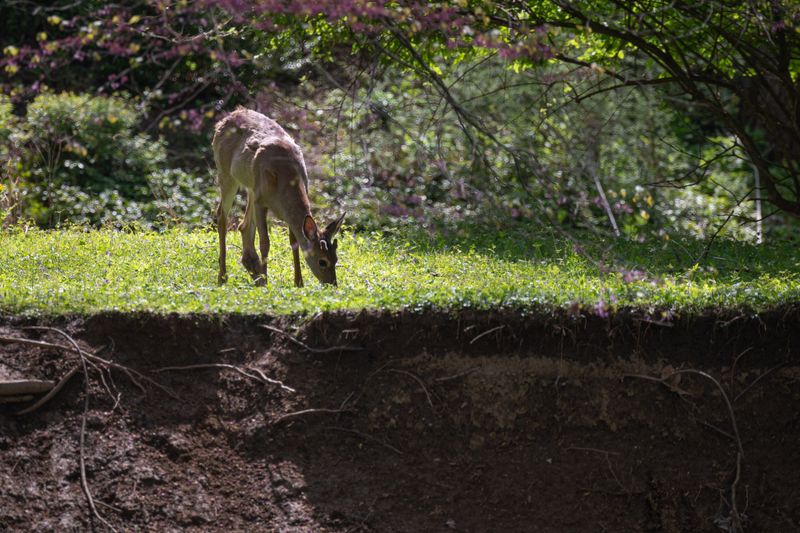
In much of Europe large predators are absent or scarce, so deer numbers are limited by food availability and by human culling. Mild winters and abundant agricultural food have allowed numbers to rise substantially in many areas. Several species are also non-native introductions with no historical population control at all.
Numbers rebound faster than people expect, since a population can add a large fraction of itself in a single year, which means a cull has to take a substantial share annually simply to hold the line and has to concentrate on females to do it.
Fencing moves the problem
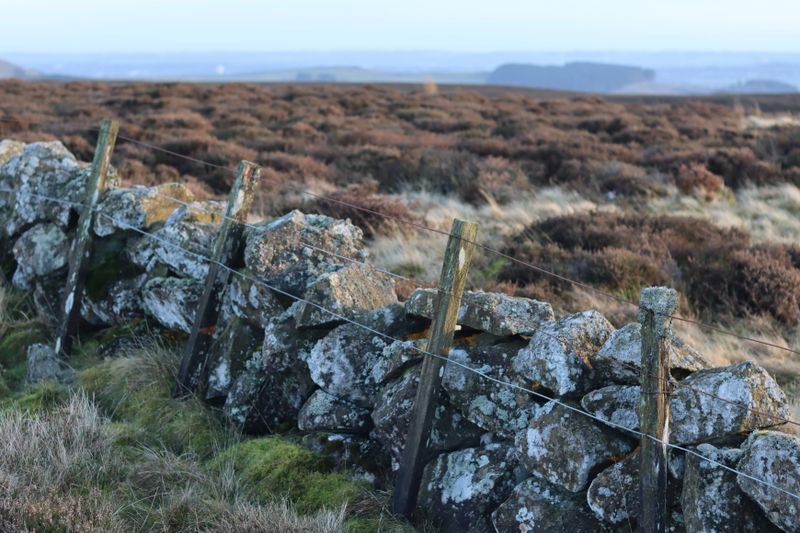
Deer fencing protects a specific area effectively and concentrates browsing pressure outside it. It is expensive, requires maintenance, and fragments the landscape for other species.
In practice, it is a tool for establishing a specific planting rather than a landscape solution. Deer fences also kill birds, because grouse, black grouse and capercaillie fly into wire they cannot see, which is why fences in those areas are marked along the top strand or, increasingly, not erected at all where culling can do the work instead.
Culling is the available lever
Coordinated culling across ownership boundaries is what actually reduces landscape-scale browsing pressure. It is contentious publicly and is uncontroversial among most woodland ecologists.
The detail that matters: venison markets exist and make a portion of the cost recoverable. The coordination is harder than the shooting, because deer cross ownership boundaries freely and an owner who culls hard simply supplies the neighbour who does not, which is the entire reason deer management groups covering whole ranges exist.
The predator argument
Reintroducing large predators would restore a natural limiting mechanism, and is a much larger social and political question. Evidence from areas where predators returned suggests effects on deer behaviour as well as numbers. In the meantime, culling is the only mechanism operating at the necessary scale.
Worth knowing before you go — the behavioural half of that claim deserves care, because the idea that predators reshape vegetation mainly by moving prey around has been argued over hard since it was proposed, and the defensible reading is that predators reduce numbers reliably and alter behaviour to a degree still being measured.
The exception is usually weather, which overrides most planning.
Manage to the impact, not to a number
Counting deer accurately across a landscape is close to impossible, and dung counts, thermal imaging and night counts all carry wide margins of error. Current practice therefore sets targets against measurable browsing impact — leader damage on saplings, the height of the bramble, the state of the shrub layer — and adjusts the cull until those move. That reframes the argument usefully, because it converts a dispute about how many animals there are into a question about what the wood is doing.
The browsing that matters is not only on trees: heavy pressure strips the low shrub layer that warblers and other scrub-nesting birds need, so woodland bird declines and deer numbers are frequently the same story told twice.
Everything above, in order of what to do first
- Regeneration is the diagnostic. A wood with mature trees, no saplings and a browse line at head height has a deer problem regardless of how healthy it looks.
- Populations without predators. In much of Europe large predators are absent or scarce, so deer numbers are limited by food availability and by human culling.
- Fencing moves the problem. Deer fencing protects a specific area effectively and concentrates browsing pressure outside it.
- Culling is the available lever. Coordinated culling across ownership boundaries is what actually reduces landscape-scale browsing pressure.
- The predator argument. Reintroducing large predators would restore a natural limiting mechanism, and is a much larger social and political question.
- Manage to the impact, not to a number. Counting deer accurately across a landscape is close to impossible, and dung counts, thermal imaging and night counts all carry wide margins of error.
The takeaway
Look for saplings. Their absence tells you more than any survey.
The route rewards patience more than equipment.
Questions readers ask
Why not just fence the woods?
Cost, maintenance and displacement. Fencing works for a specific planting and does not reduce browsing pressure across a landscape.
How do I know if a wood has too many deer?
Look for a browse line, absence of saplings and bramble, and heavily grazed ground flora. A wood with only mature trees and bare ground is the classic picture.