People & Place
Estate stalking, access and the weeks when hills get complicated
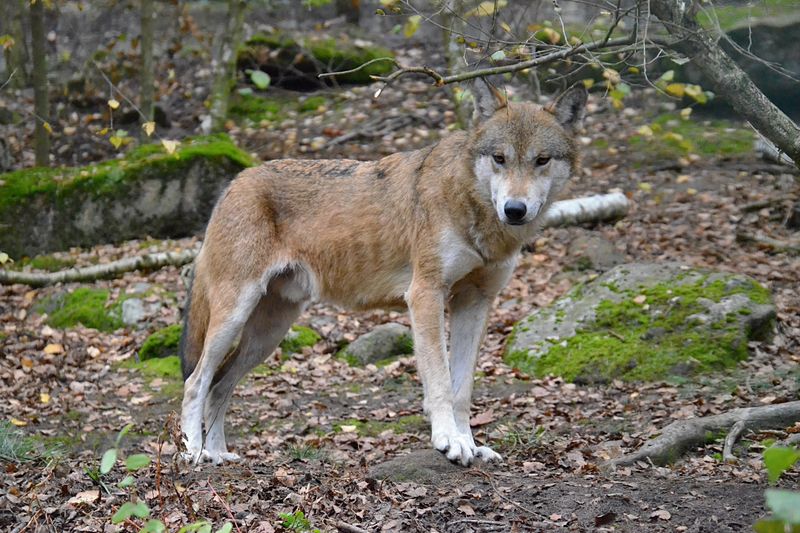
Deer stalking seasons overlap with good walking weather, and the etiquette differs sharply by country.
Treat the sections below as a sequence. With stalking and access, getting the early decisions right makes the later ones much easier.
Before you start
- Stalking seasons run through late summer and autumn in many upland areas.
- Access rights and stalking coexist through communication rather than closure.
- Hillphone services and estate notices exist and are underused.
Two legitimate uses of the same ground
Deer management is necessary for woodland regeneration and is also a commercial activity supporting estate employment. Walking access is a right in some countries and a permission in others.
The two coexist for most of the year and conflict in specific places during specific weeks. They are financially entangled as well, since income from letting stalking is what funds the stalkers, the vehicles and the larder that any serious deer management needs, so the commercial activity and the conservation one are frequently the same operation.
The seasons overlap with good weather
Stag stalking typically runs through late summer and autumn, which is when hill conditions are best. That overlap is unavoidable and is the source of most friction. Hind culling continues into winter in many areas and is less publicised.
On the ground, the dates are set in law and differ by species, by sex and by country, so the season that applies on one side of a border is not the season on the other, and the local dates are published rather than something to work out from habit.
Information exists and is under-consulted
Several regions operate hillphone or online services giving daily information on where stalking is taking place. Estates also post notices at common access points. Checking takes a minute and usually results in a small route adjustment rather than a cancelled day.
In practice, in practice it is a recorded message or a page updated each morning naming the beats being worked that day, which is enough to move a route onto the next ridge without giving up anything you came for.
What actually causes problems
A walker appearing unexpectedly on a skyline can ruin a stalk that took hours to set up. Most estates are entirely content for walkers to be on the hill on a different face or after the day's stalking has finished. Communication resolves nearly all of it; assumption on either side does not.
Dogs are the specific flashpoint, because a dog moving deer across a hill undoes a morning's work in minutes and does it from a distance at which nobody can have a conversation about it.
Rights do not require rudeness
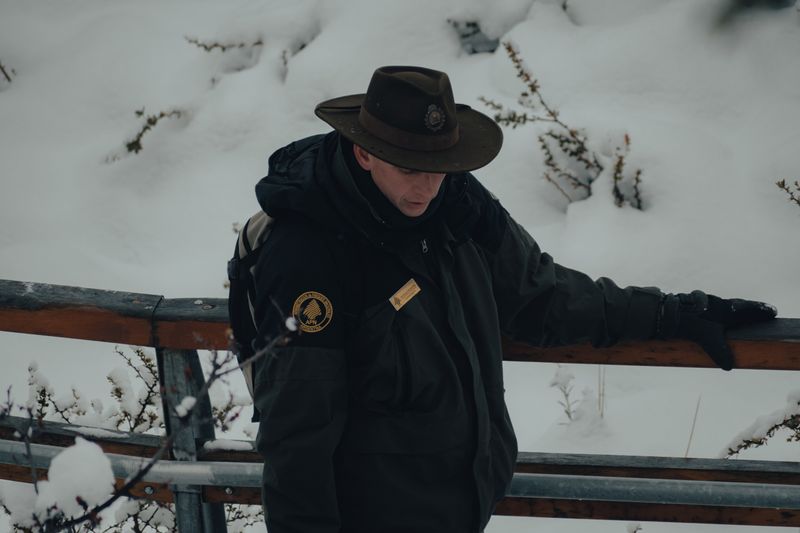
Where a right of responsible access exists, it is not conditional on estate permission, and exercising it courteously costs nothing. Speaking to a stalker met on the hill is normal and usually produces useful information about the day.
Where access is permissive rather than statutory, that conversation is doing more work. The exchange usually runs both ways, since somebody who has been out on that hill since first light knows what the river is doing, where the snow is lying and which footbridge went in the last spate.
None of this is uniform across a country the size of most of these.
Stalking is not the only calendar to check
Grouse shooting, lambing, forestry felling and live firing on military training areas all complicate hill access at particular times of year, and each is announced through a different channel. Felling operations close forest tracks at short notice and are the least publicised of the four, so a road marked on a map can turn out to be behind a locked barrier with a diversion nobody has signed.
On the ground, military training areas use flags, lights and published firing times, and in most countries entering while firing is in progress is a criminal offence rather than a discourtesy, which is why the boundaries are marked as precisely as they are. A rifle used for deer is accurate at several hundred metres, so a stalker will have watched a walker cross a skyline long before that walker has any idea there is anybody else on the hill.
The takeaway
Check the hillphone, take the other ridge, and speak to people you meet.
Go slowly enough to notice, and most of this stops being advice and starts being obvious.
Questions readers ask
Do I have to avoid the hills during stalking season?
No, in countries with statutory access rights. Checking daily information and adjusting your route where stalking is active is the reasonable practice.
What if I meet a stalking party?
Speak to them. They will usually tell you where they are working and where you can walk without affecting it.